


The Cheetah’s Comeback: A Success Story from Kishindo
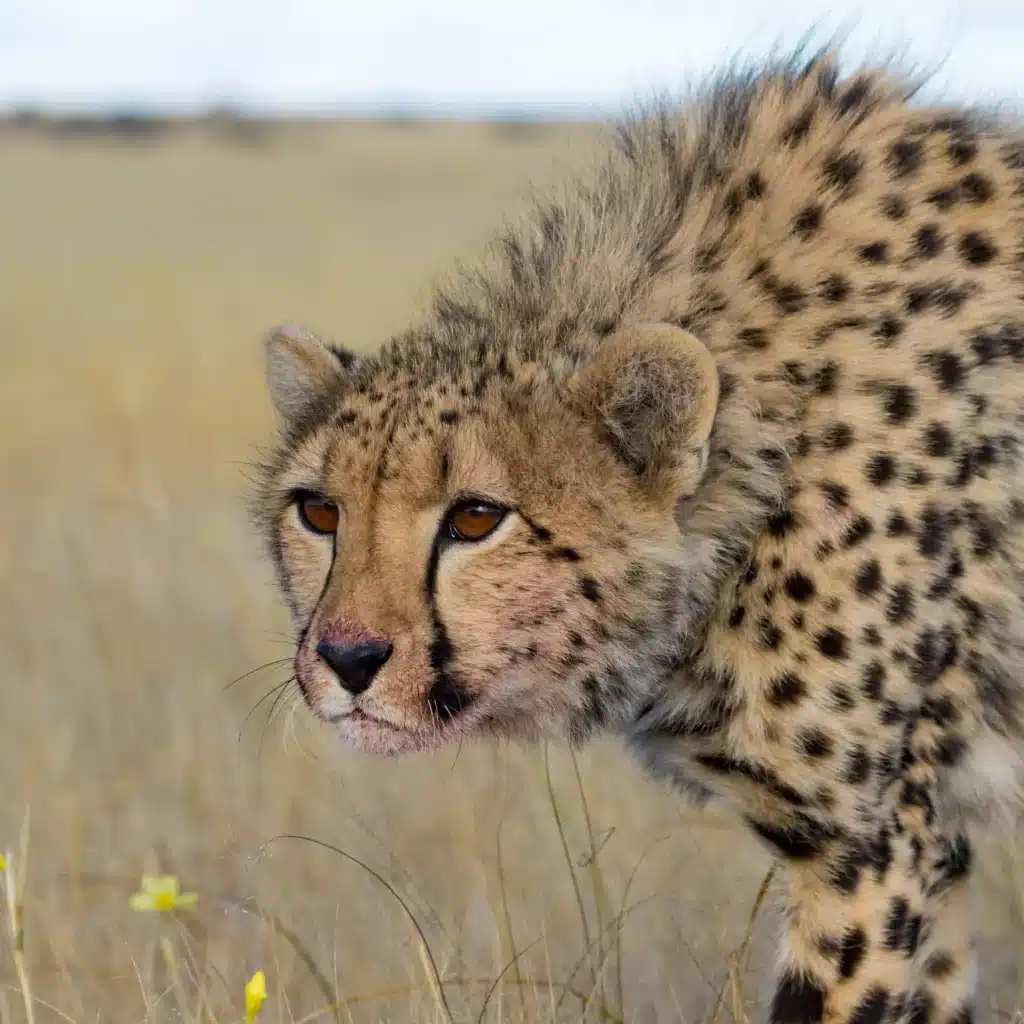
The cheetah — the world’s fastest land animal — has faced a steep decline over the past century. Today, only around 6,500–7,100 cheetahs are believed to remain in the wild globally, and most populations are small and isolated.
Yet in South Africa, a coordinated conservation approach is helping to hold the line — and in some areas, rebuild numbers. At Kishindo, we’re proud to be part of that bigger story: restoring habitat, supporting managed conservation partnerships, and protecting a landscape where cheetahs can live, hunt, and raise cubs as wild predators within a protected reserve.
A History of Decline
Cheetahs need space. They evolved to move across enormous landscapes, and when those landscapes become fragmented by farming, fencing, roads, and settlement, cheetahs lose access to prey, safe denning areas, and natural movement routes. Add conflict with people, accidental snaring, and illegal trade pressures, and populations can collapse quickly.
In parts of the Free State, as farming expanded and predators were removed from the landscape. Cheetahs gradually disappeared from this region over time as agriculture expanded and predators were removed from working landscapes. The loss wasn’t just of a species — it also changed ecosystem balance, because cheetahs are part of a natural predator-prey system that shapes how herbivores move, feed, and recover.
Kishindo's Role
Kishindo is a wildlife reserve in the Free State that has been steadily restoring habitat and rebuilding a functioning predator–prey landscape. In 2013, Kishindo began a new chapter by introducing cheetahs into a large, protected reserve environment where they could establish territories, hunt naturally, and contribute to long-term conservation learning.
Over time, what matters most isn’t a single release — it’s the ongoing work behind the scenes: habitat management, prey base planning, careful monitoring, and the discipline to keep disturbance low around denning females. When those pieces come together, cheetahs can do what they’ve always done: move, hunt, raise cubs, and disappear into the grass.
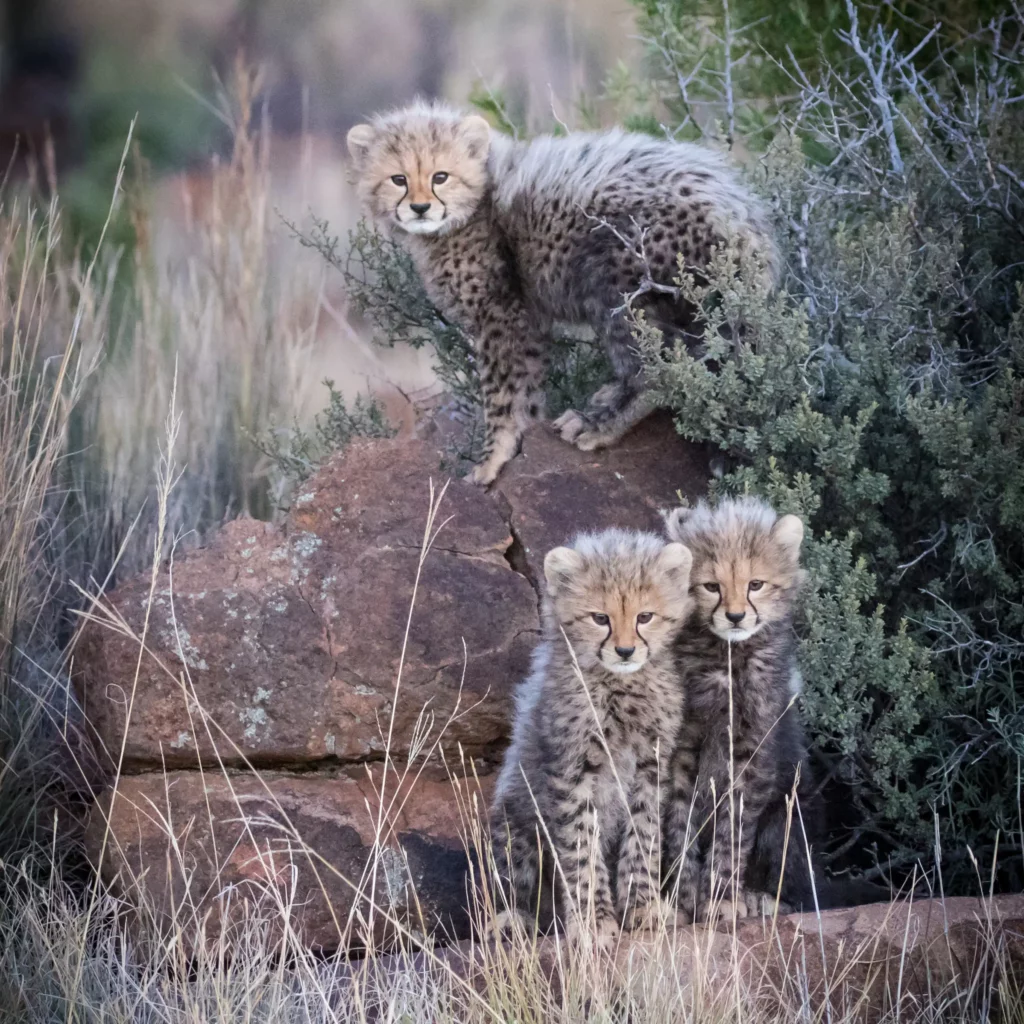
The Cheetah Metapopulation Program
One of the most important tools in South African cheetah conservation is metapopulation management — a science-led approach that treats multiple fenced reserves as one connected conservation network. The Endangered Wildlife Trust (EWT) launched this work in 2011, coordinating the movement of cheetahs between participating reserves to support healthy genetics and reduce inbreeding risk. In simple terms:
- Some reserves produce cubs successfully
- Others may need new genetics or help rebuilding numbers
- Carefully planned translocations help create gene flow across the network — the ecological equivalent of reconnecting fragmented habitats.
This programme has produced measurable results. When EWT’s coordinated metapopulation work began in 2011, there were an estimated 217 cheetahs across 41 reserves. By the end of 2023, that number had grown to 455 known cheetahs across 67 reserves, with numbers continuing to increase as the network expands.
South Africa’s cheetah picture is bigger than the metapopulation reserves alone. A major South African assessment estimated a total wild cheetah population of around 1,409 individuals, spread across large protected areas, reintroduced populations in fenced reserves, and other land-use contexts.
Kishindo’s partnership work aligns with this broader national approach: protecting cheetahs within a managed landscape, and contributing to a system designed to keep the species genetically healthier and demographically stable over time.
Why This Matters: More Than a Numbers Game
Cheetah conservation isn’t only about increasing headcounts. It’s about building the conditions that allow cheetahs to remain cheetahs:
- Space to move and establish territories
- Healthy prey systems
- Low disturbance around den sites
- Good genetic management in smaller reserves
- Skilled monitoring and decision-making over many years
When these pieces are in place, cheetahs can start to return to landscapes that had lost them — and each new litter becomes a sign that recovery is not only possible, but sustainable.
The Future of Cheetahs
Progress is real — but cheetahs remain vulnerable. Habitat loss, conflict pressures, and climate-linked changes to water and prey availability continue to shape their survival prospects.
That’s why ongoing conservation investment matters: protected landscapes, informed management, and collaborative networks like the metapopulation programme.
At Kishindo, we see this comeback story not as a finish line, but as a responsibility — one that asks for patience, humility, and the long view. The cheetah’s return is a reminder that when people choose protection over short-term gain, nature can still surprise us.
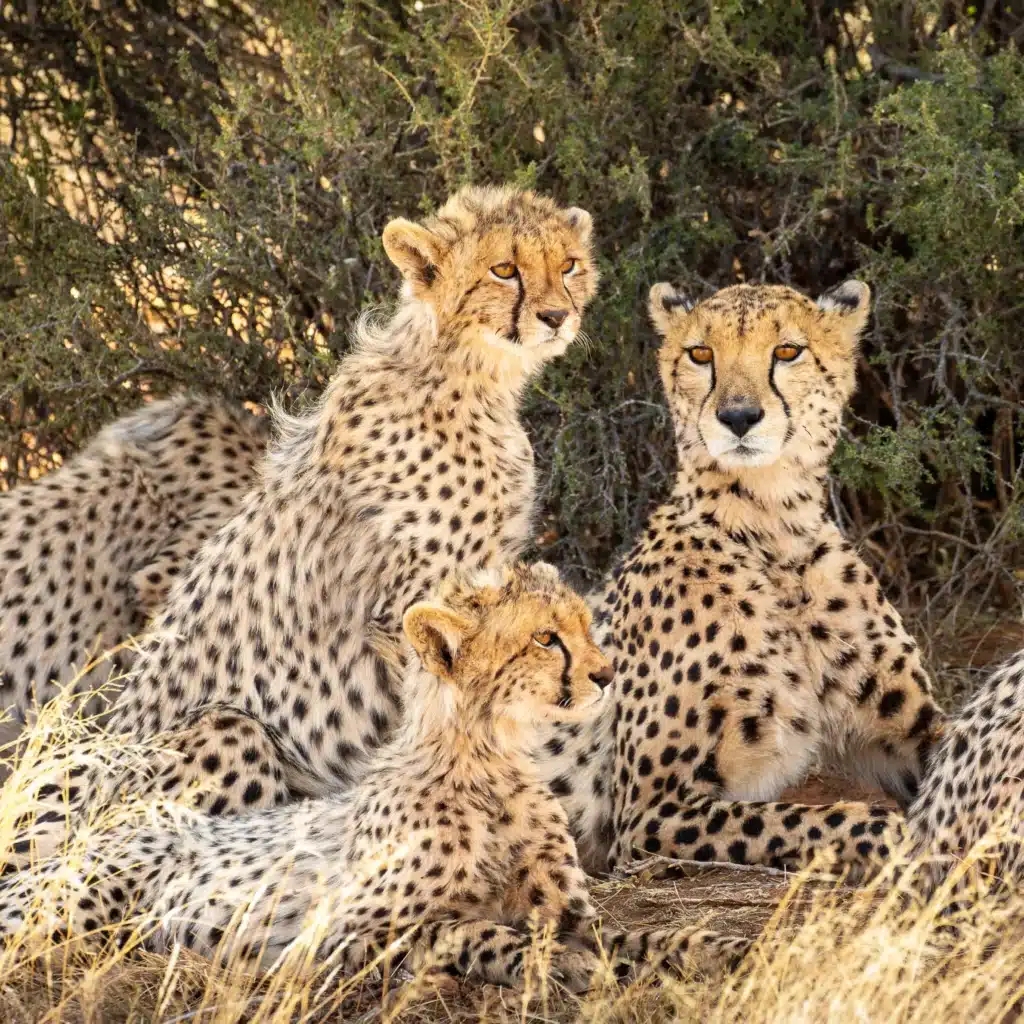
Responsible Cheetah Viewing at Kishindo
Cheetahs are exceptionally sensitive to disturbance, especially around hunts and denning periods. At Kishindo, sightings are approached with a calm, low-impact philosophy: slow, quiet driving, respectful distances, and time limits when appropriate — always guided by the animal’s behaviour. Our goal is simple: guests should feel the privilege of observing cheetahs naturally, while the cheetahs remain fully focused on what matters most — moving, hunting, resting, and raising cubs on their own terms.