



Photography
Kishindo is a World-Class Destination for Big Cat Photography
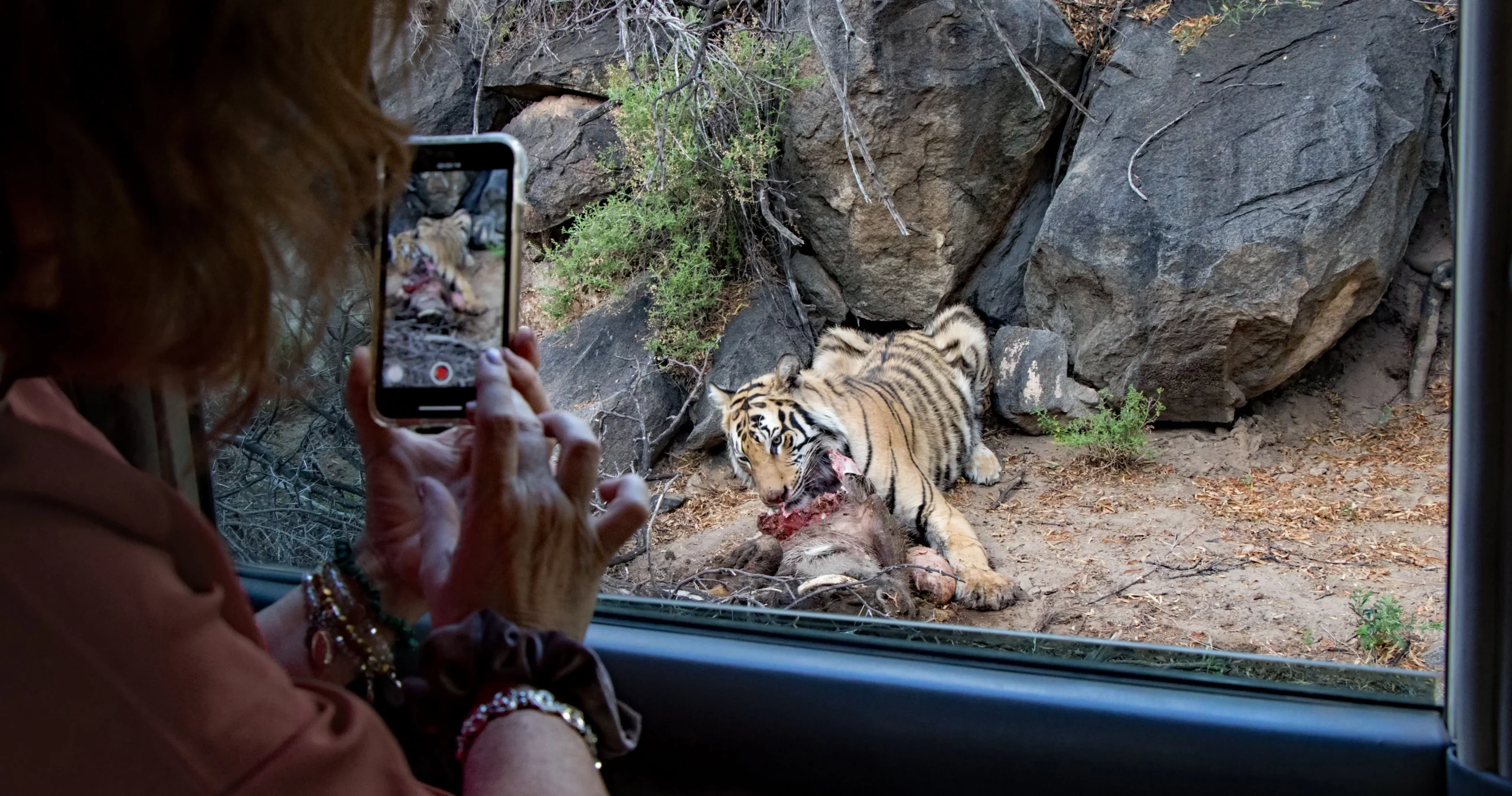
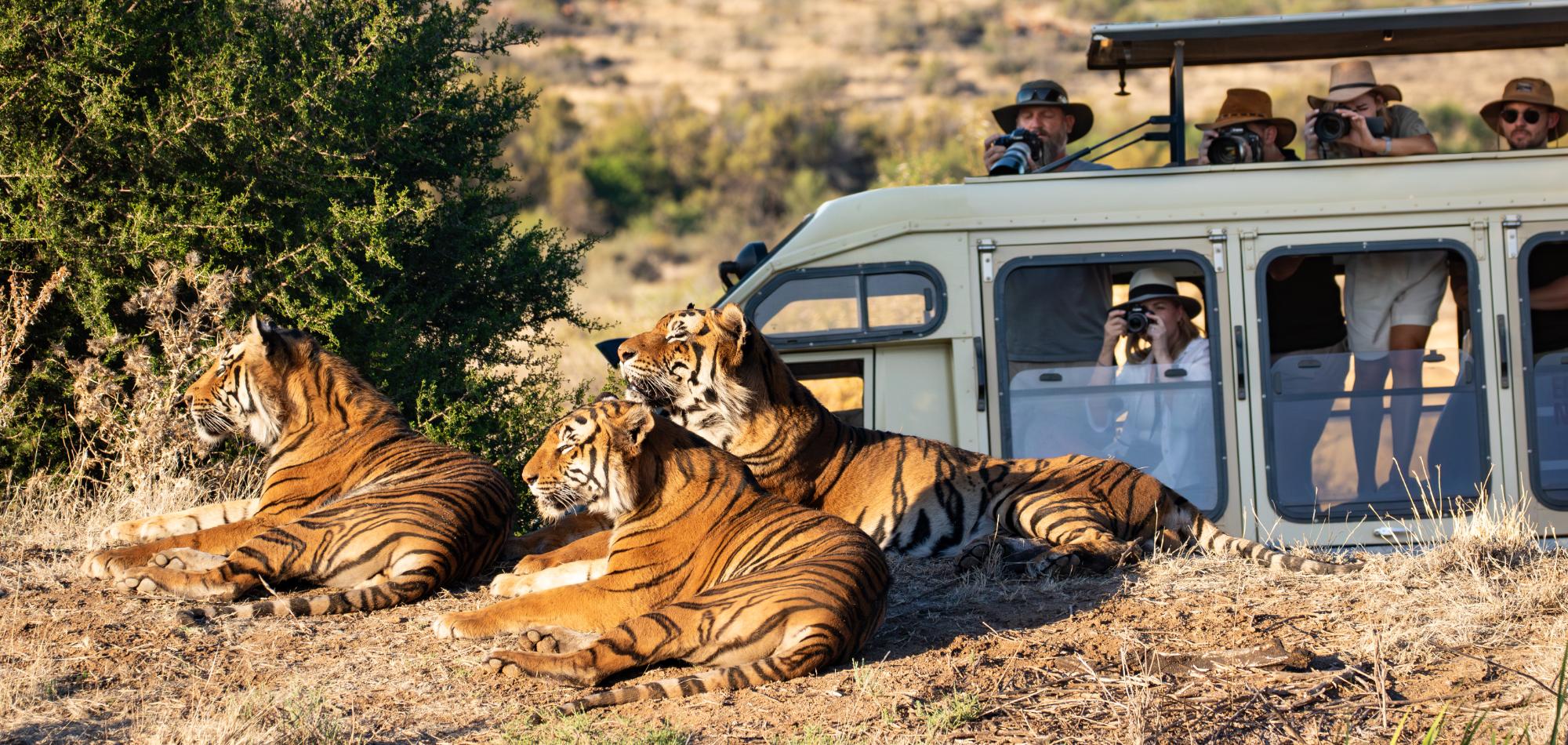
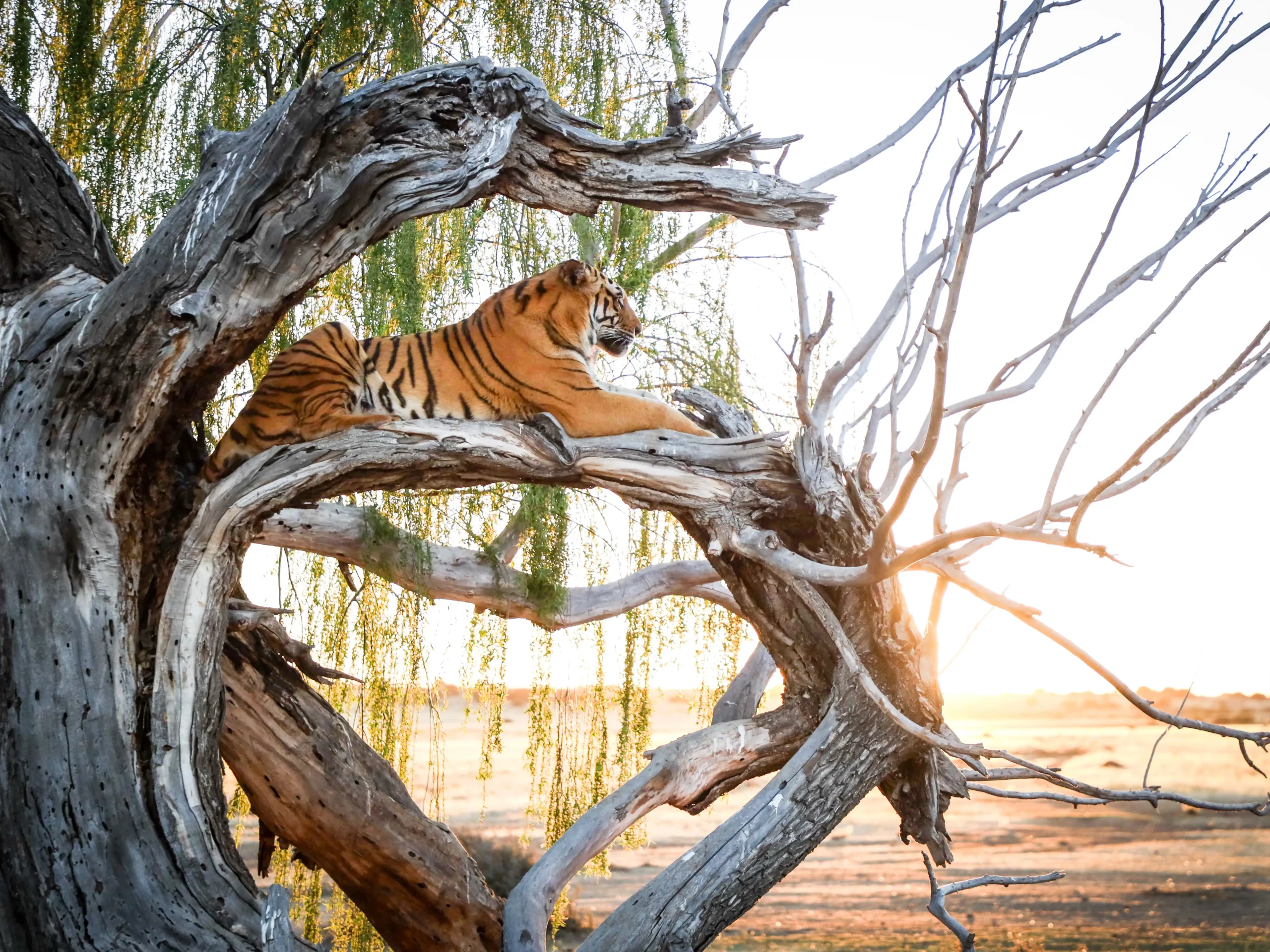
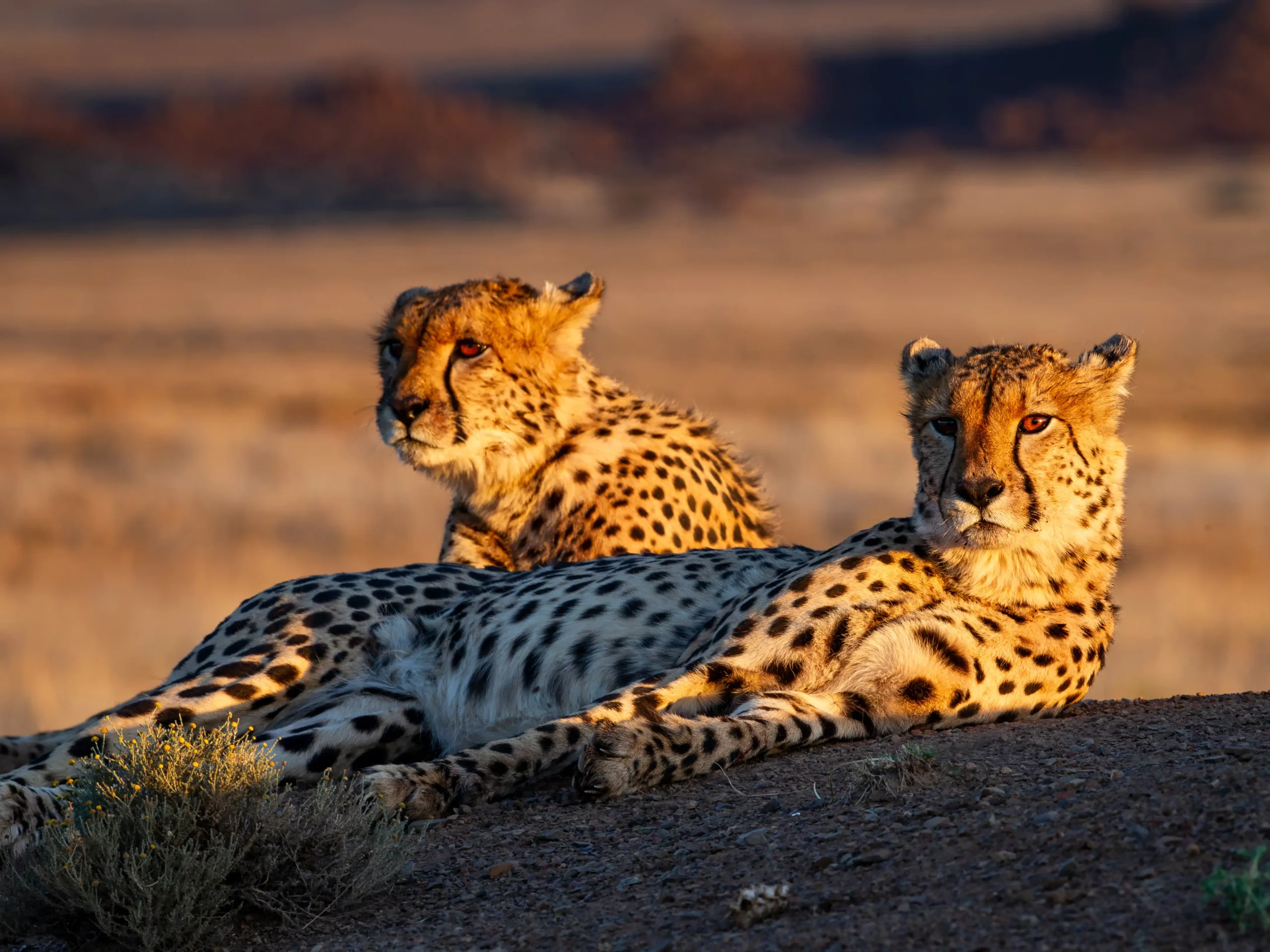
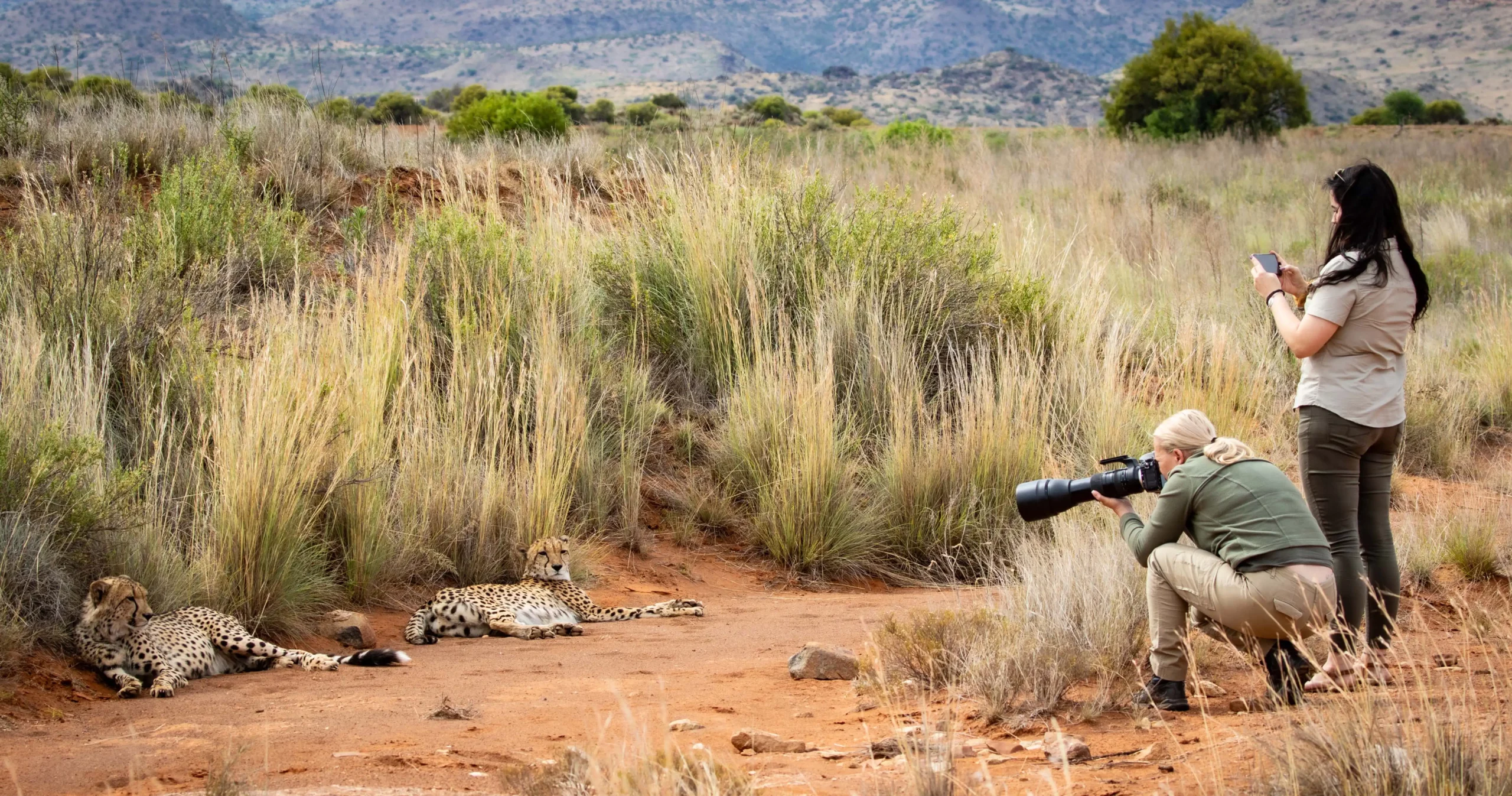
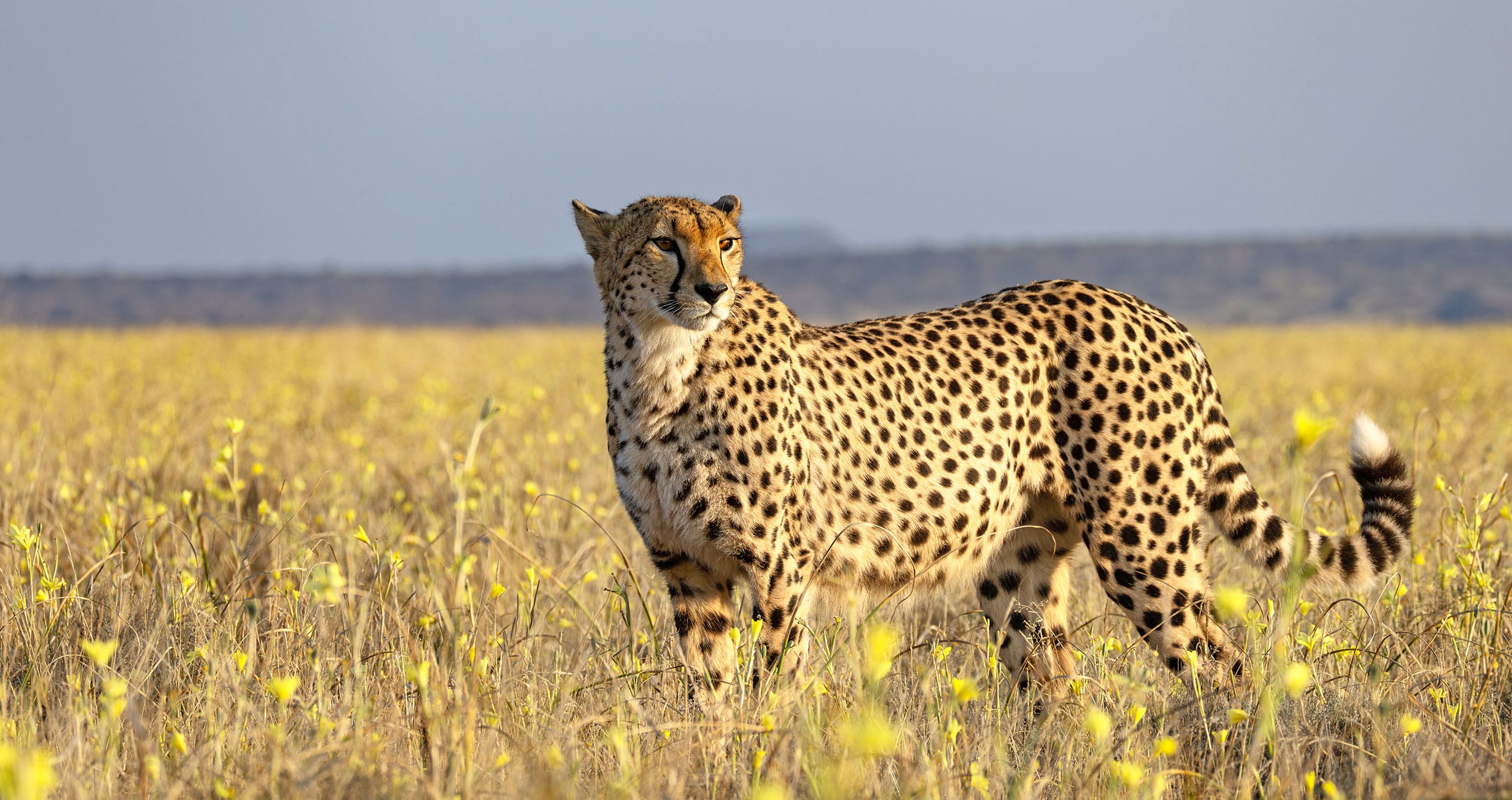
Kishindo offers exceptional opportunities to photograph tigers and cheetahs in a striking Karoo landscape. While wildlife is never predictable, our carefully managed viewing and strong track record mean guests often enjoy frequent photographic moments with big cats in a highly photogenic environment.
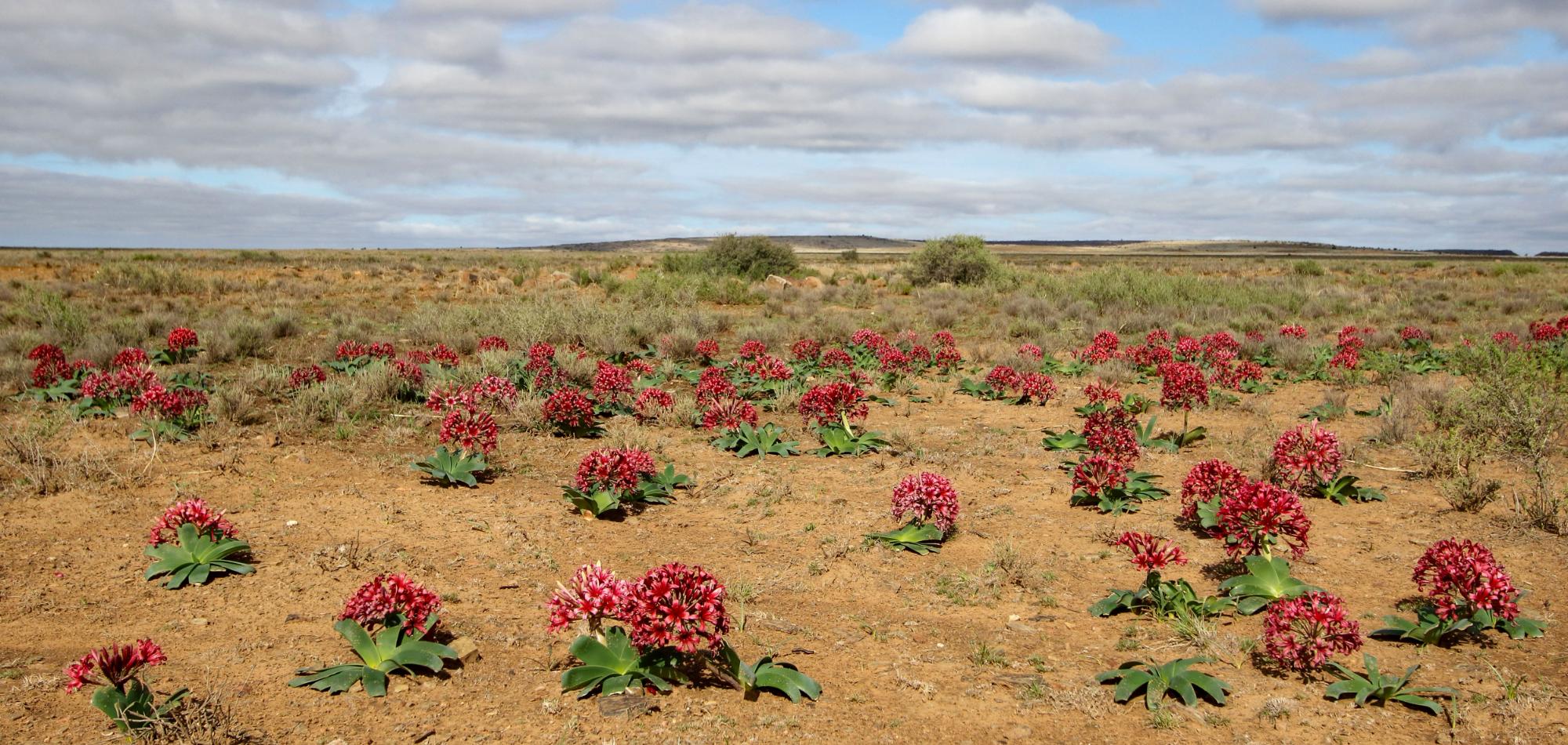
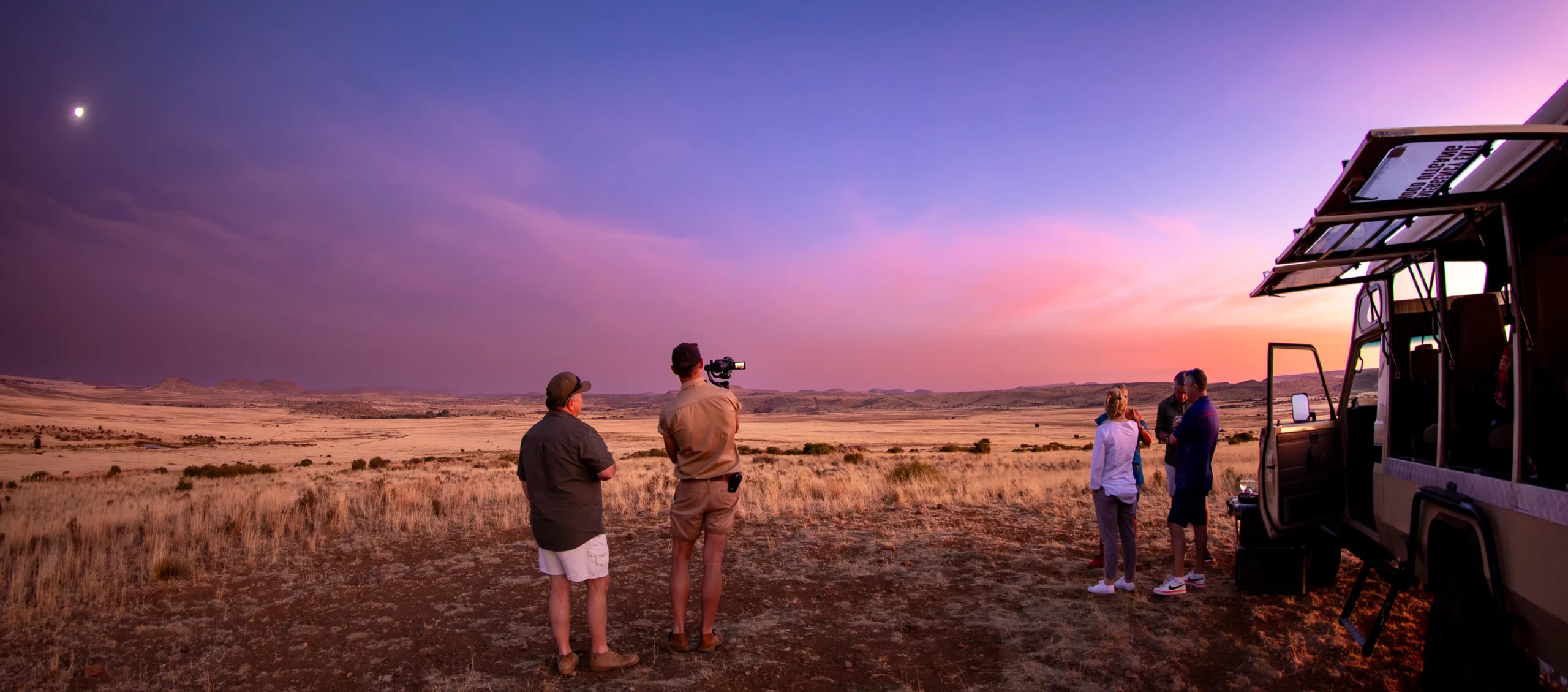
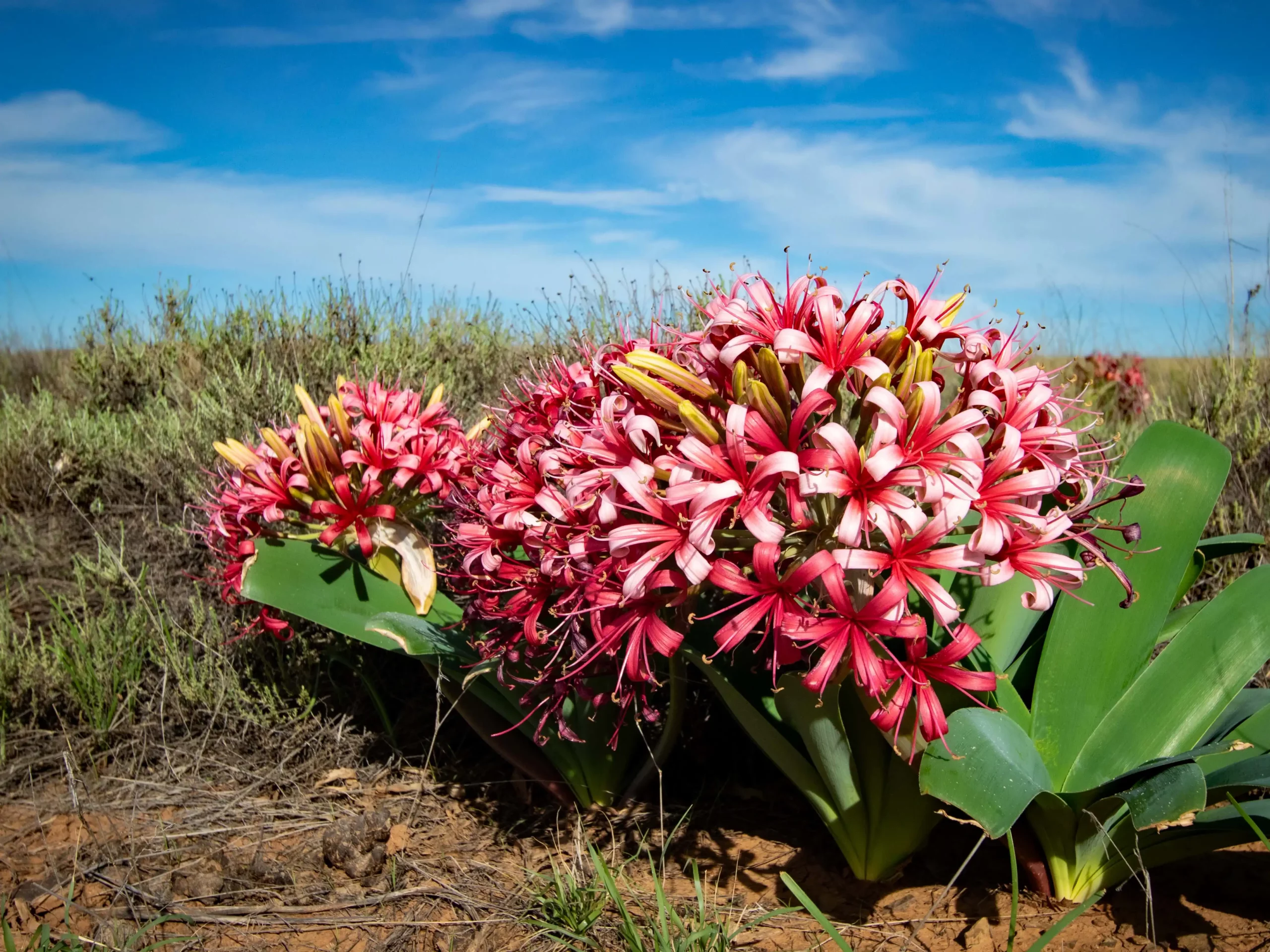
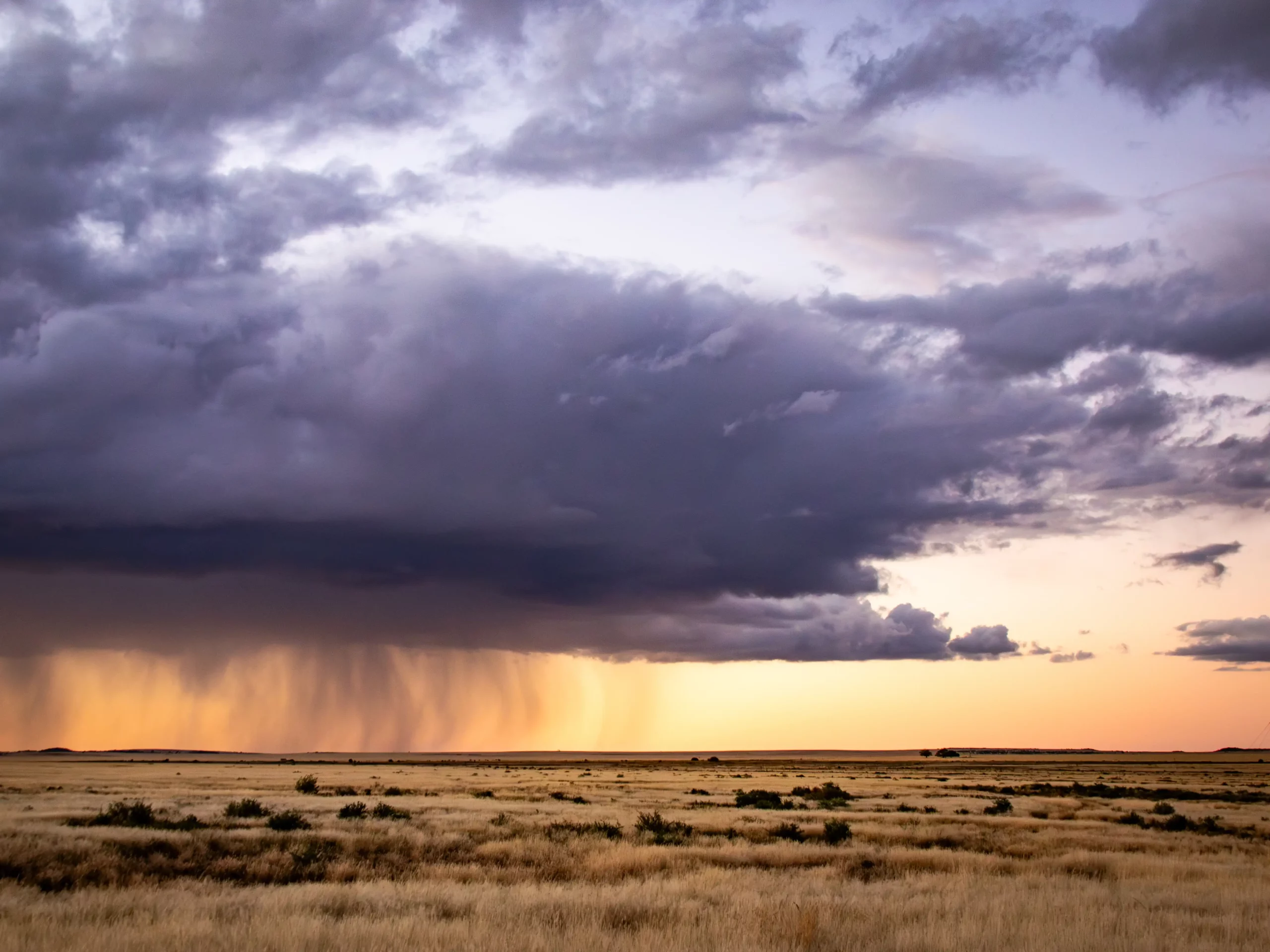
Beyond the animals, the reserve delivers dramatic scenery and big-sky weather — shifting cloud formations, crisp light, and rainbows after summer storms. Photographers of all levels, from cell-phone enthusiasts to seasoned professionals, benefit from our specialised vehicles and knowledgeable guides, who help you position respectfully and make the most of available light and angles as opportunities unfold.
A Variety of Environments
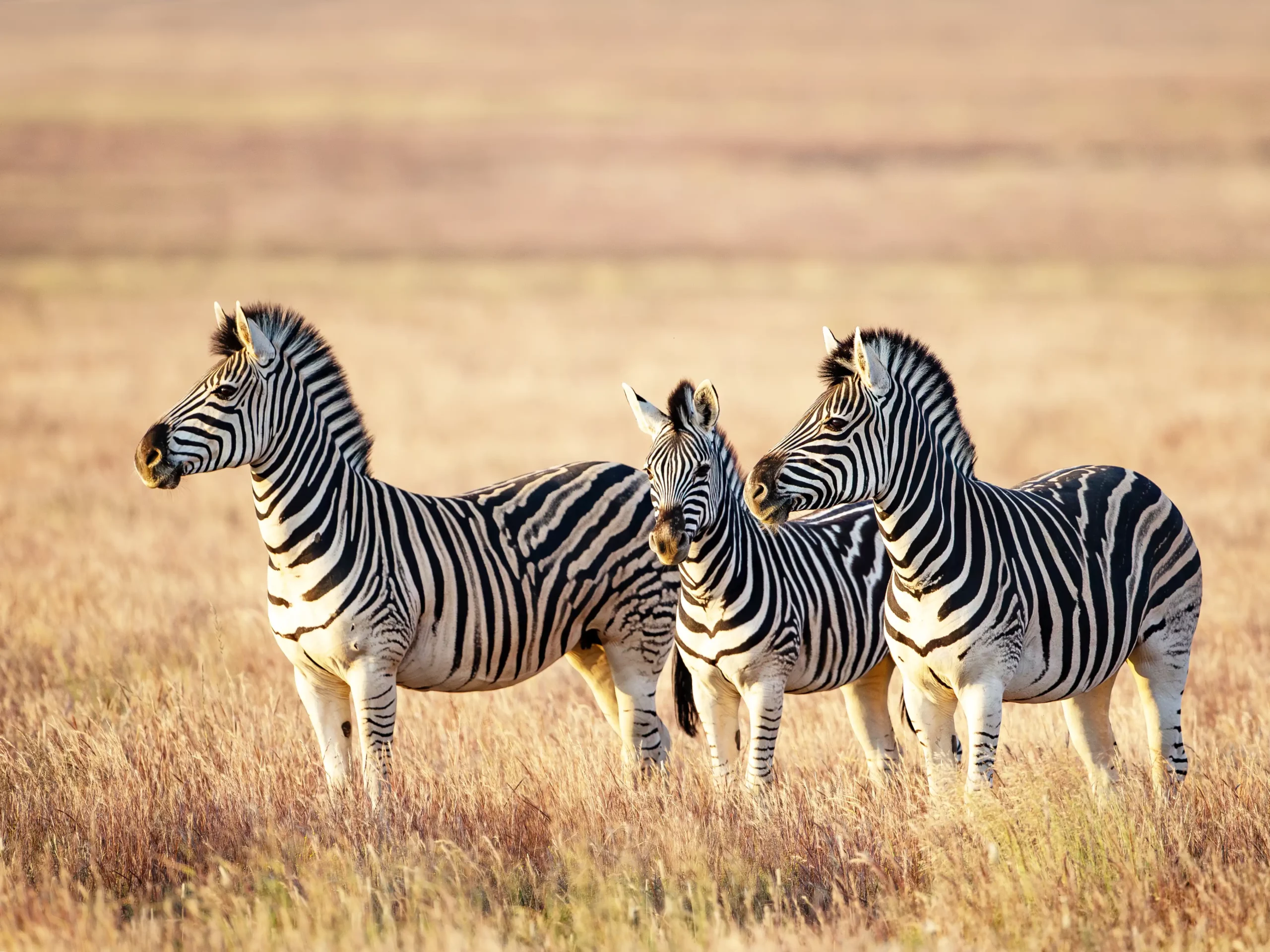
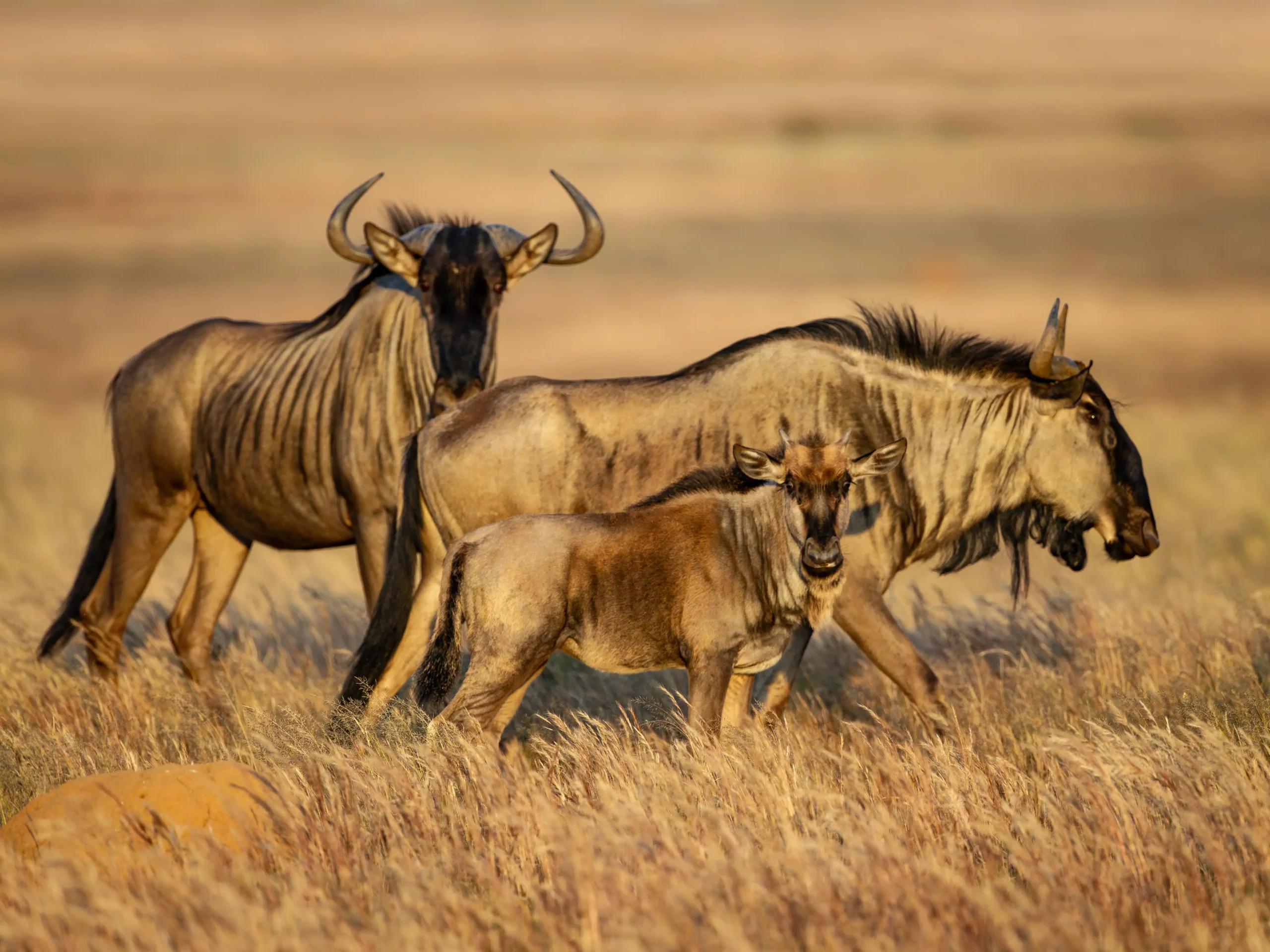
From forested thickets and riverine corridors to rocky outcrops, open grass plains, tree-lined dams, and tall bulrushes and reeds, Kishindo offers a remarkable range of habitats within a single reserve — each with its own mood, textures, and light.
This variety gives photographers the freedom to build a diverse portfolio: wide environmental portraits that place wildlife in context, dramatic silhouettes on ridgelines, and intimate detail studies in softer, sheltered areas. Whether you’re working with long lenses or a phone camera, you’ll find changing backdrops throughout the day — from crisp morning clarity to warm late-afternoon tones — creating fresh compositions every time you head out.

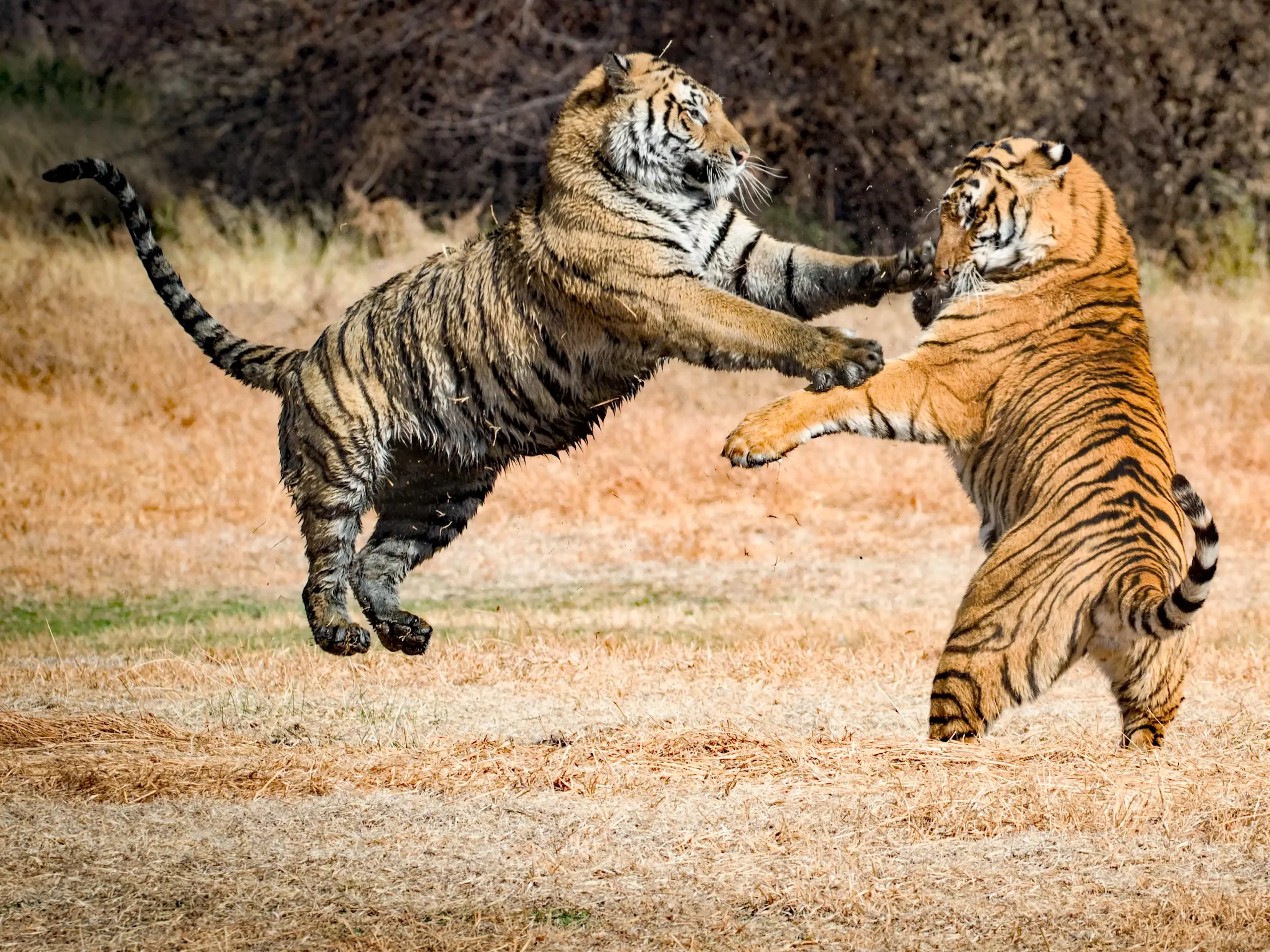
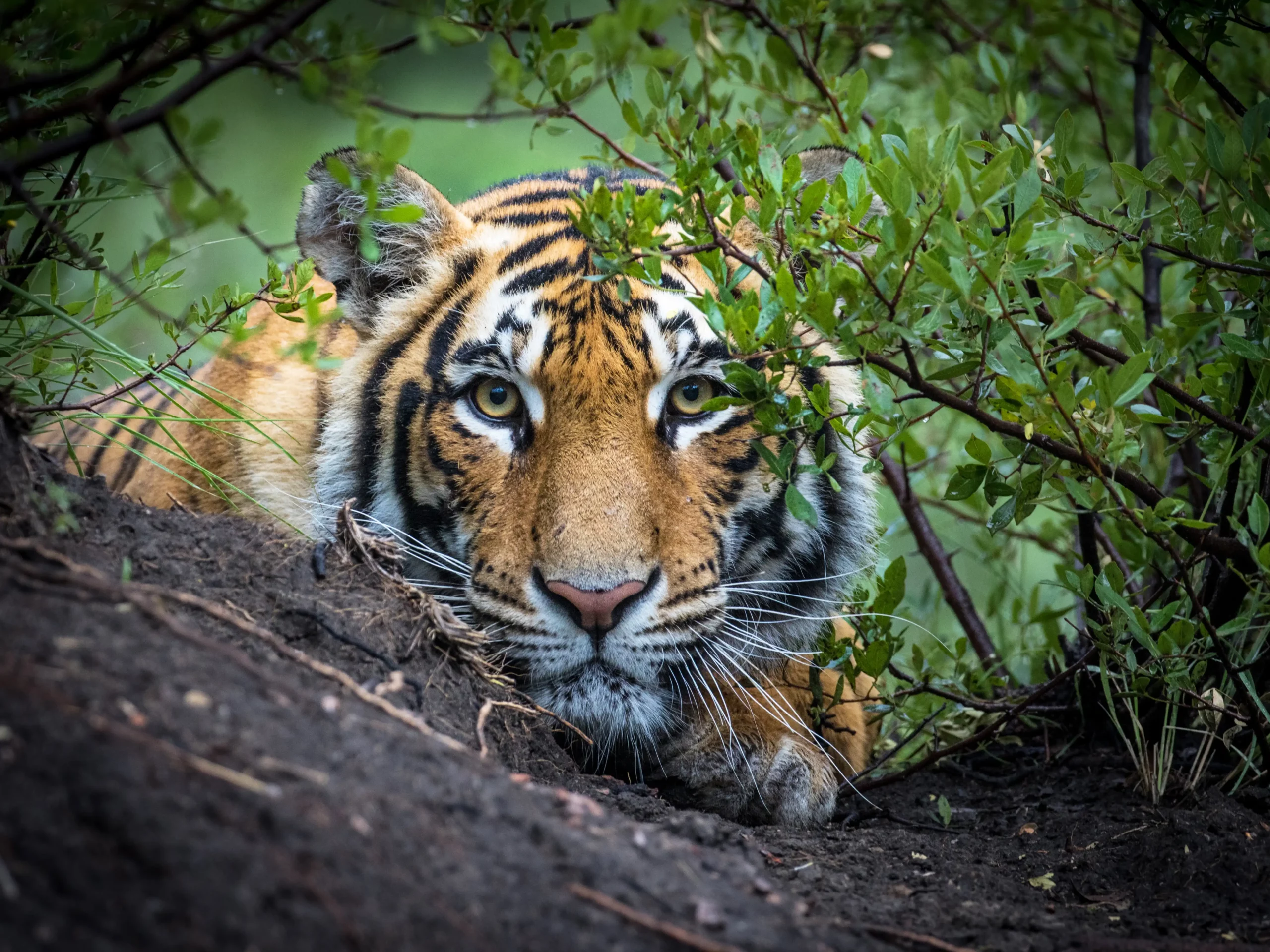
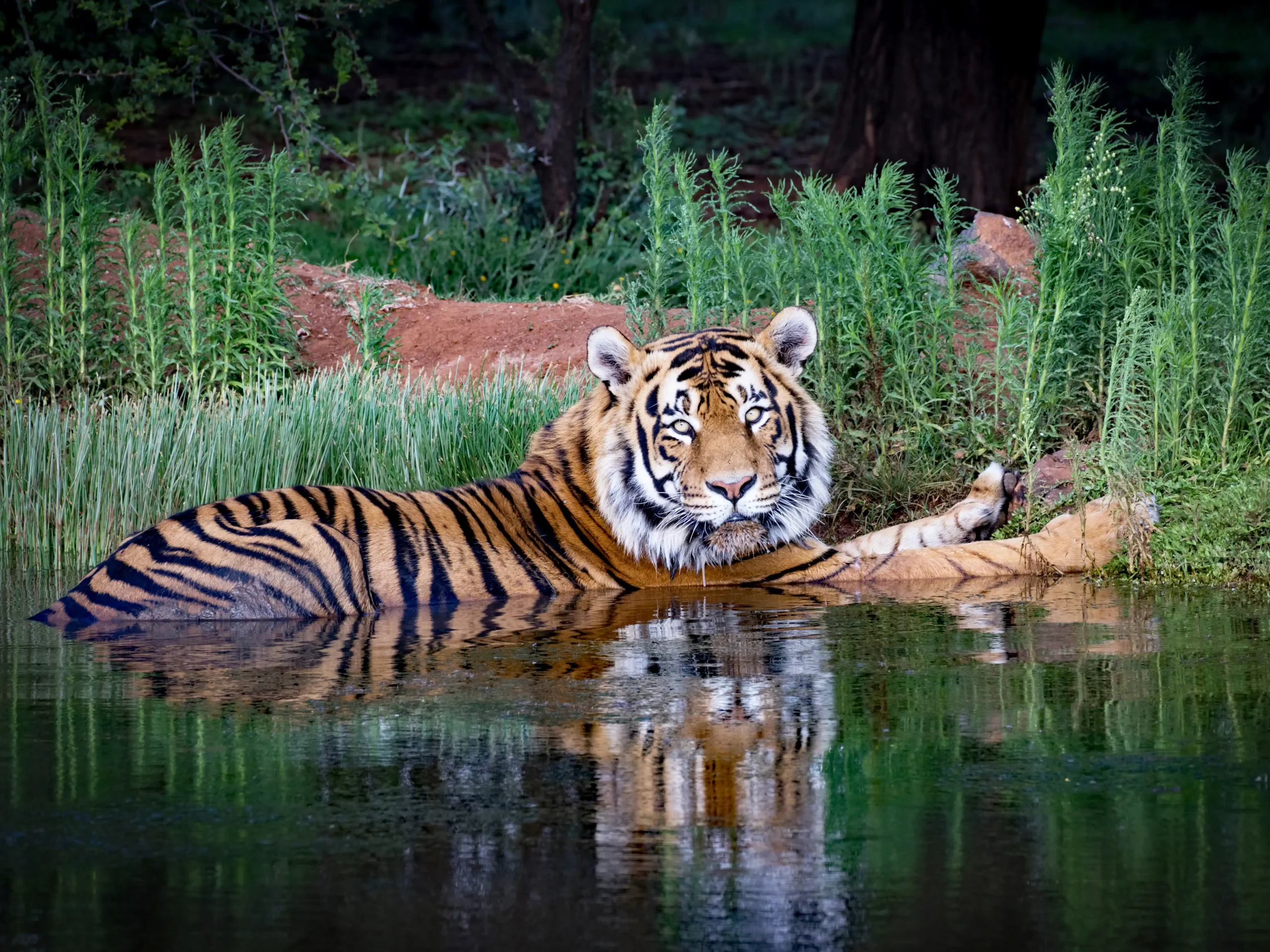
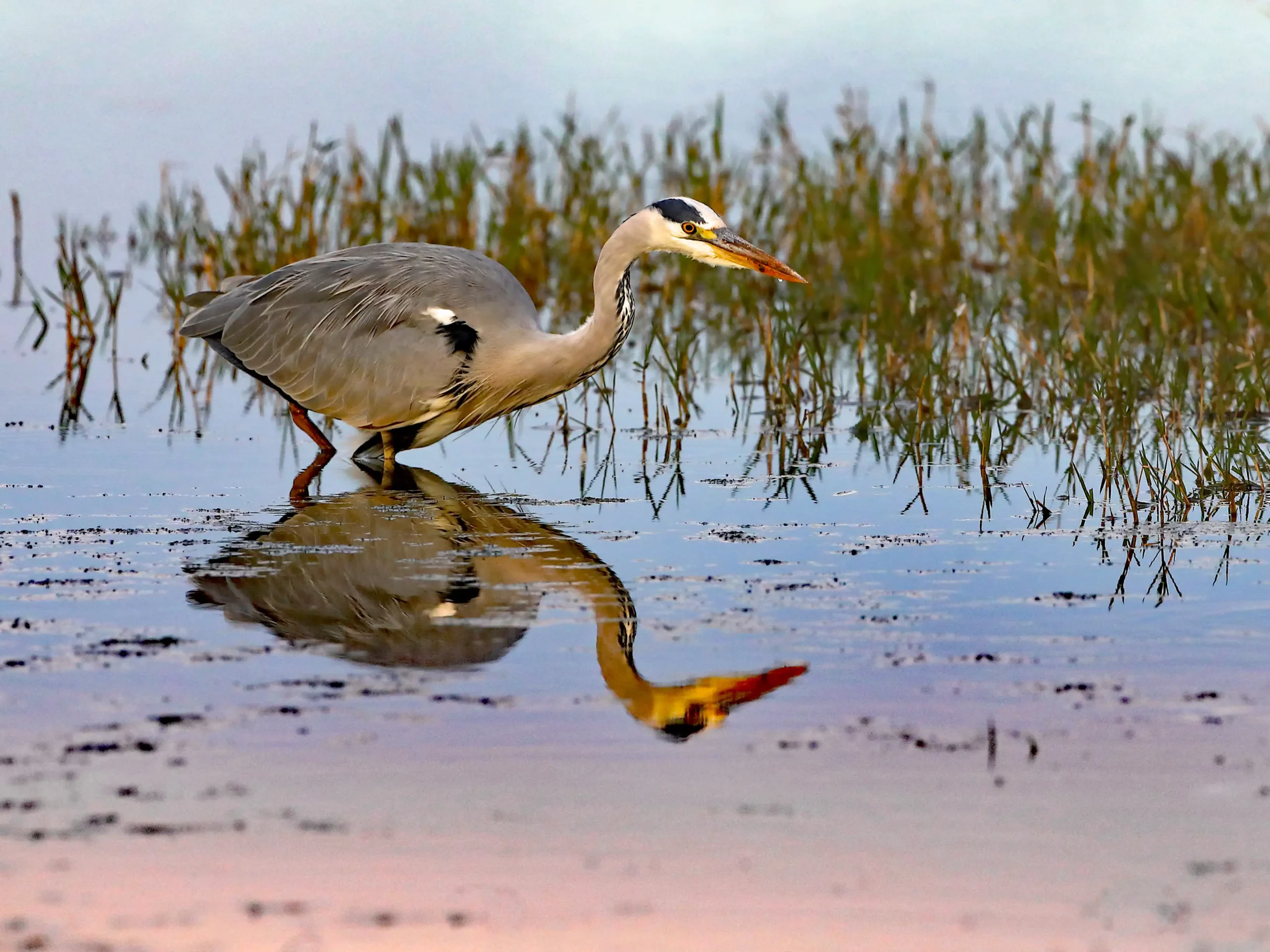
Photographic Safaris
Kishindo Tiger Canyon frequently hosts professional photographic safaris led by industry-leading guides, including Squiver, Kevin Duley, Clint Ralph, Jeff Whou, Lars Beusker, Marlon du Toit, Nick Kleer, Marion Vollborn, and Bredon Creamer.
These professionally led safaris offer real value for both seasoned photographers and enthusiastic learners. With leaders who bring years of wilderness experience and a strong teaching background, guests benefit from practical, in-the-field guidance — from camera settings and composition to working with available light, anticipating behaviour, and refining technique shot by shot.
If you’re interested in booking a professionally guided photographic safari at Kishindo, please contact us for dates, availability, and further details.
Photographic Equipment
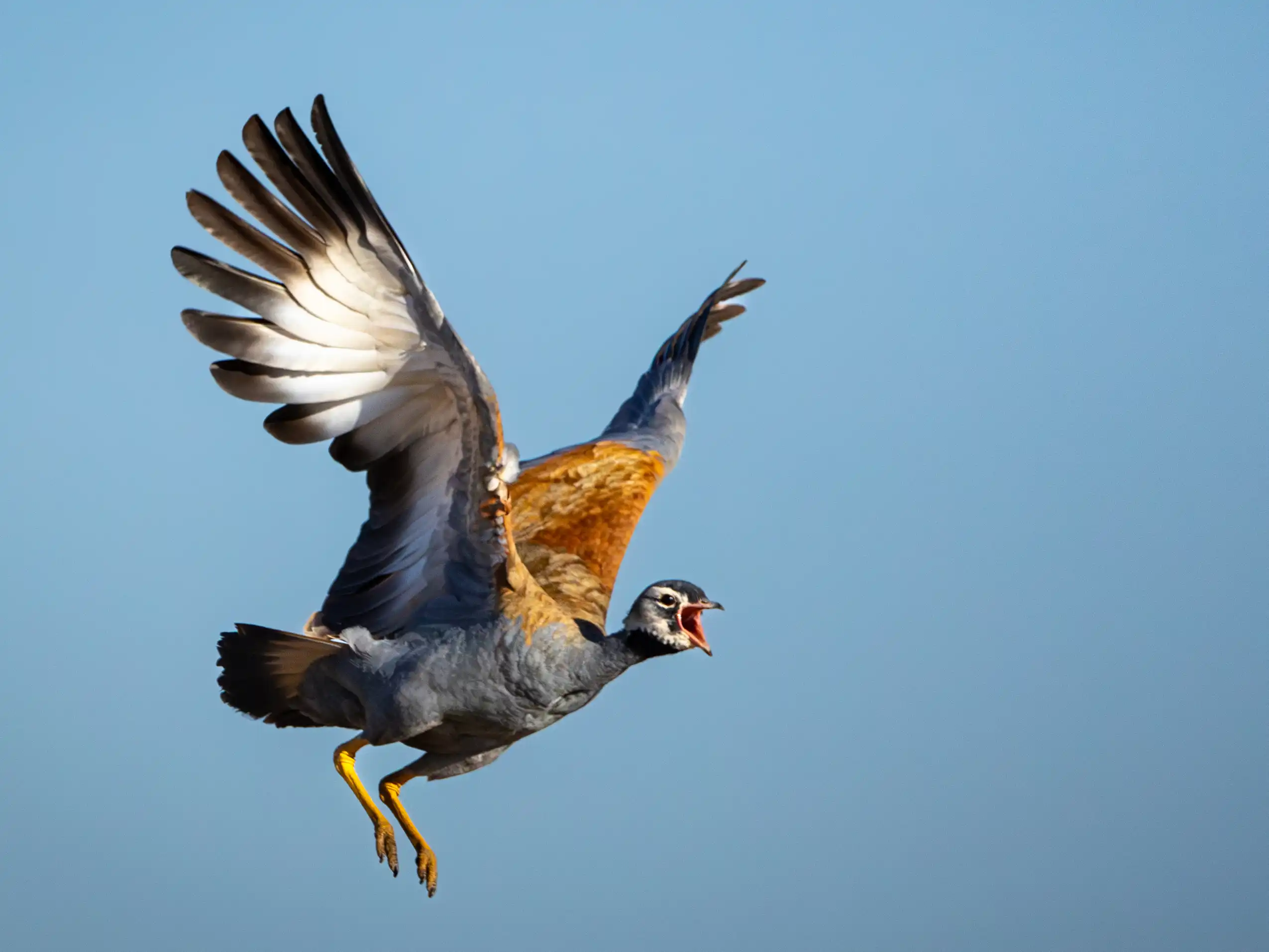
Kishindo Private Game Reserve offers a photographer’s paradise. For wildlife and landscape enthusiasts, we recommend a versatile lens setup. Professionals often choose a 70-200mm zoom for general wildlife photography, a 100-400mm for capturing distant subjects, and a fixed 400mm with a converter for exceptional detail. For bird photography, a prime lens like a 500mm, 600mm, or 800mm is ideal. A 16-35mm wide-angle lens is perfect for capturing expansive landscapes and night skies. To ensure stability, a tripod or monopod is great. If you’re flying in, don’t forget to bring an empty bean bag. We’ll happily fill it with sunflower seeds upon your arrival, providing a versatile and comfortable support for your camera. Of course, a cellphone is always a great tool for amateur photography as well – and we have seen many fantastic images and videos captured using a quality smart phone.
Photographic Equipment
Kishindo is well suited to both wildlife and landscape photography, and a flexible kit will help you make the most of changing distances, light, and subjects.
For wildlife, a 70–200mm is a great all-rounder, while a 100–400mm (or similar) covers most longer-range opportunities. Many professionals also bring a longer prime (around 400mm or more) with a teleconverter when conditions allow for extra reach and detail. For birds, longer lenses are particularly useful — typically in the 500–800mm range — though excellent results are also possible with a 100–400mm and good technique.
For landscapes and night skies, a wide-angle lens such as a 16–35mm is ideal. To keep images stable, a tripod or monopod is recommended, and a beanbag is especially useful for vehicle-based photography. If you’re flying in, bring an empty beanbag — we’re happy to fill it with sunflower seeds on arrival, giving you a simple, comfortable camera support.
And of course, a smartphone can be a powerful tool too — we regularly see beautiful photos and video captured on quality phone cameras.
BLOG
Capture the Thrill: Mastering Game Drive Photography
Turn your game drive into an unforgettable experience by capturing stunning photos of wildlife in their natural habitat. This guide equips you with the essential knowledge to transform your snapshots into captivating wildlife photography.