



“It seems to me that the natural world is the greatest source of excitement; the greatest source of visual beauty; the greatest source of intellectual interest. It is the greatest source of so much in life that makes life worth living.”
- Sir David Attenborough
Exclusive Game Drives
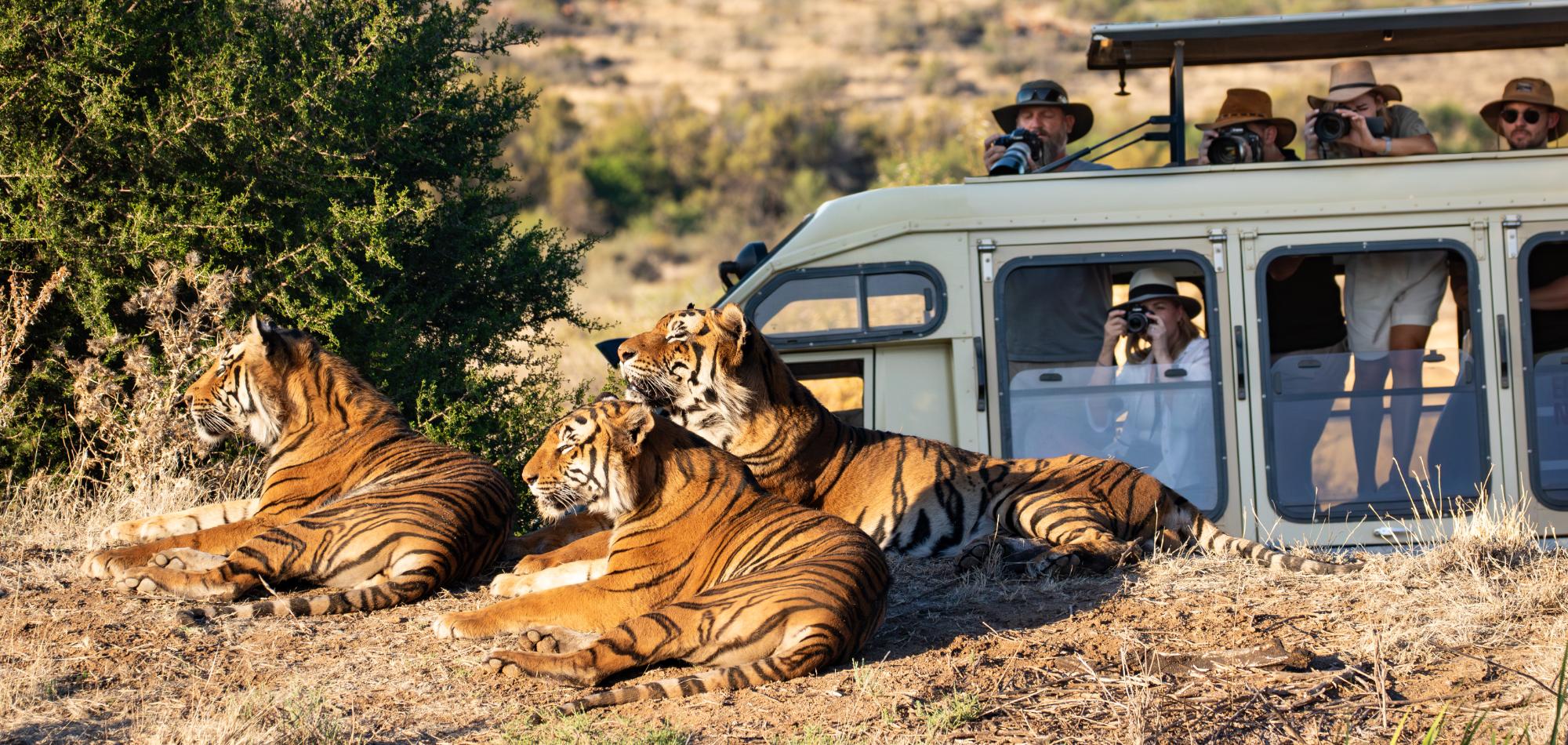
At Kishindo, our game drives are managed with a maximum of two vehicles at any wildlife sighting, helping to keep encounters calm and unhurried. This creates space for quiet observation and deep respect for the land and the animals. On relaxed, unpressured drives, photographers have time to capture images that reflect a restored landscape in recovery — from wide Karoo vistas to meaningful moments with wildlife, including tigers and cheetahs.
Tiger Safari
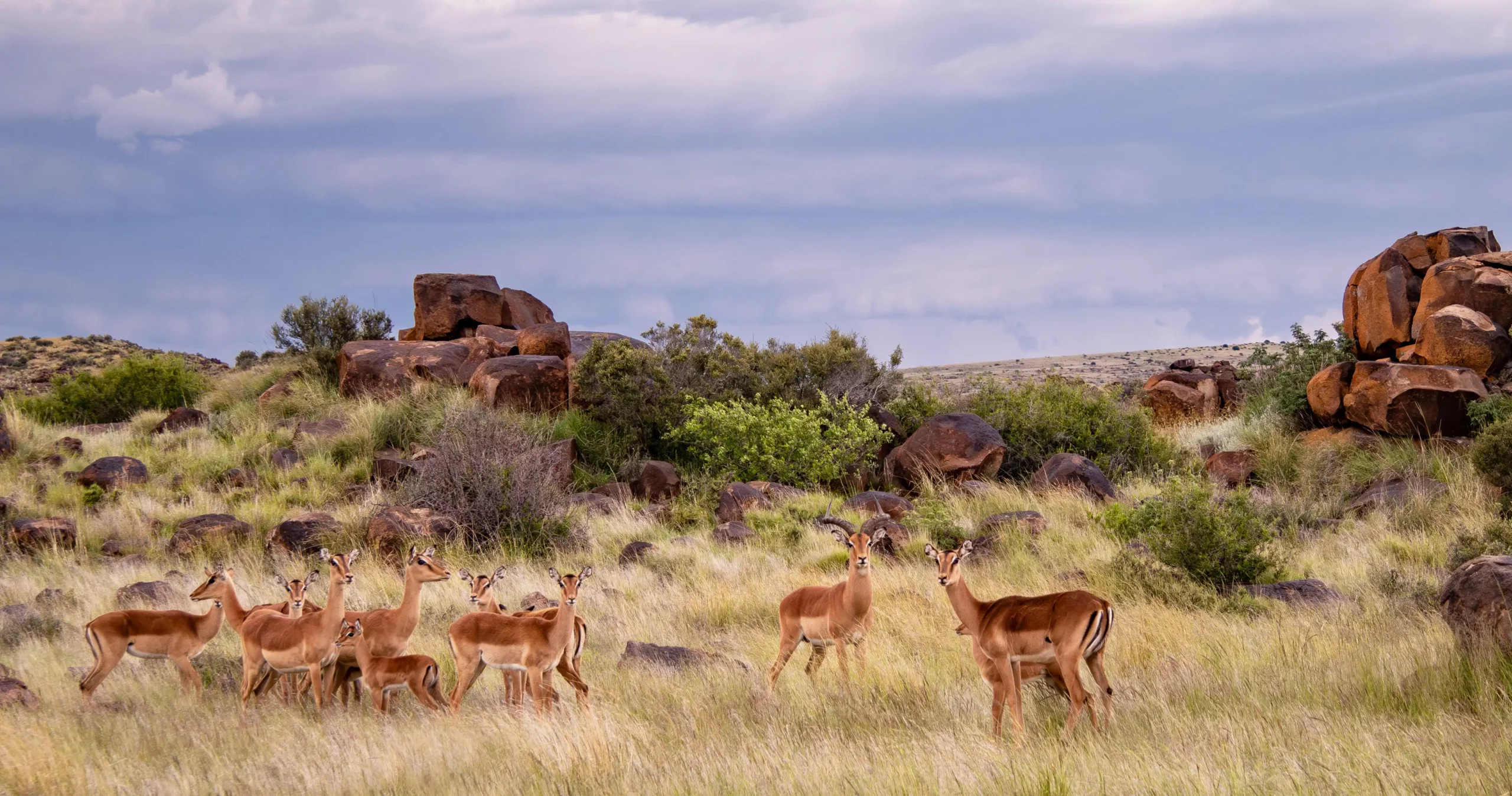
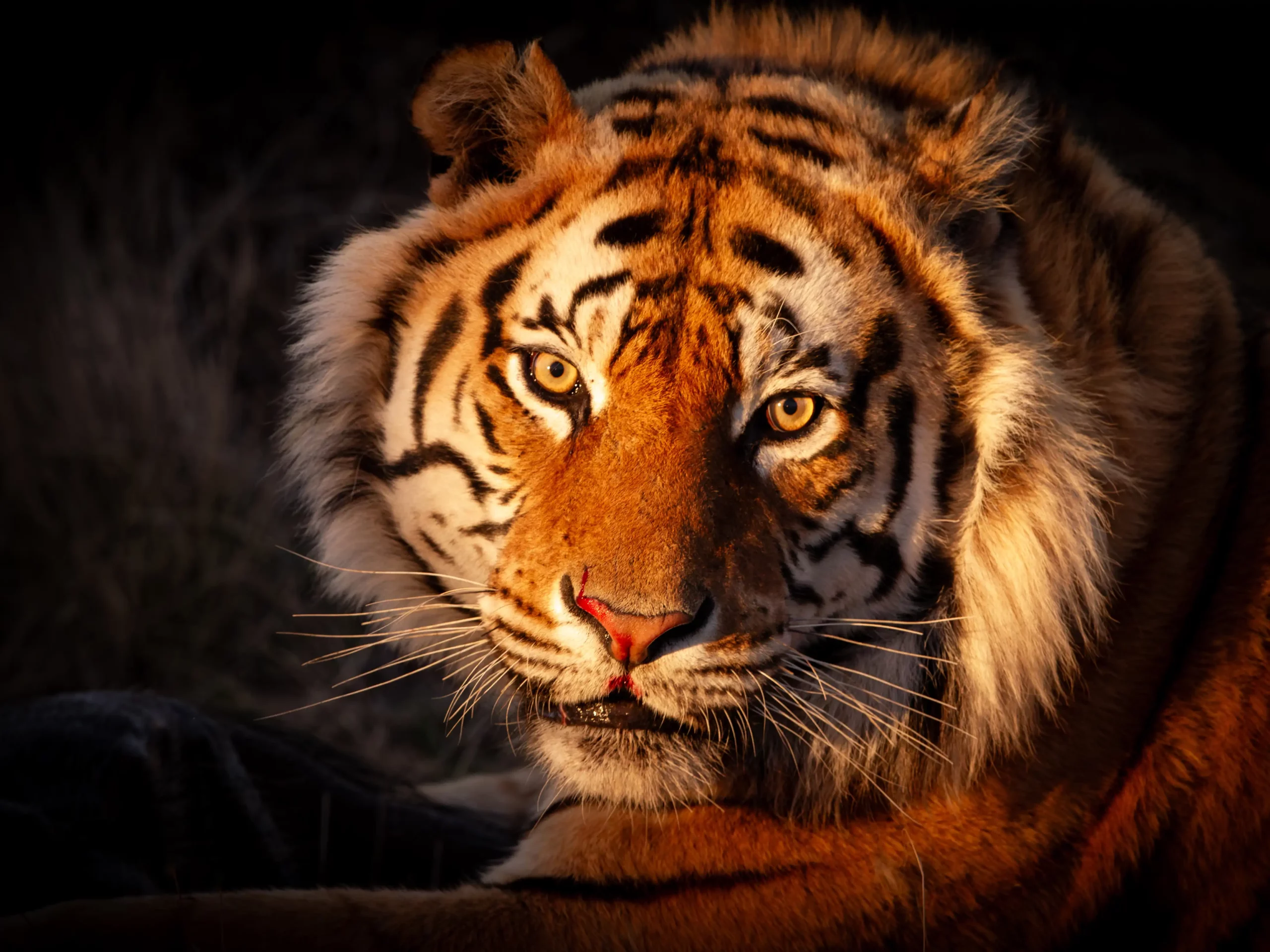
Guided by responsible tourism, our model supports the land, the animals, local communities, and the regional economy. Enjoy a tiger safari from the comfort and safety of our closed vehicles, where you can observe the behaviours and social dynamics of our tigers as they move through the reserve alongside other wildlife.
In many parts of Asia, tiger viewing can be highly competitive, with limited windows for sightings and, at times, crowded roads during peak periods. In some well-known reserves, visitors may find multiple vehicles gathering for a brief glimpse. Our approach is intentionally different: we focus on calm, well-managed viewing that prioritises animal welfare and a more rewarding guest experience.
Kishindo Tiger Safari Protocols
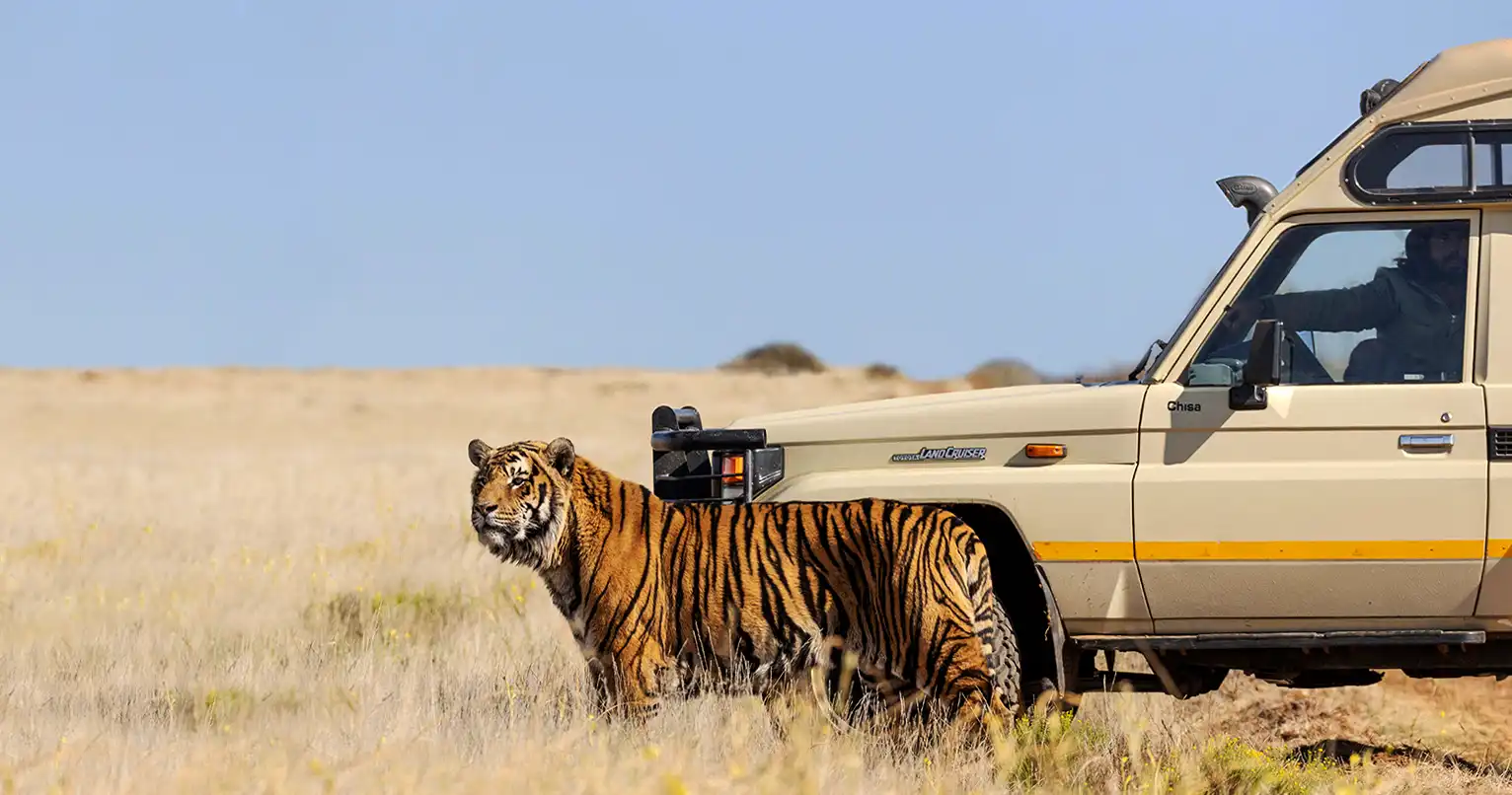
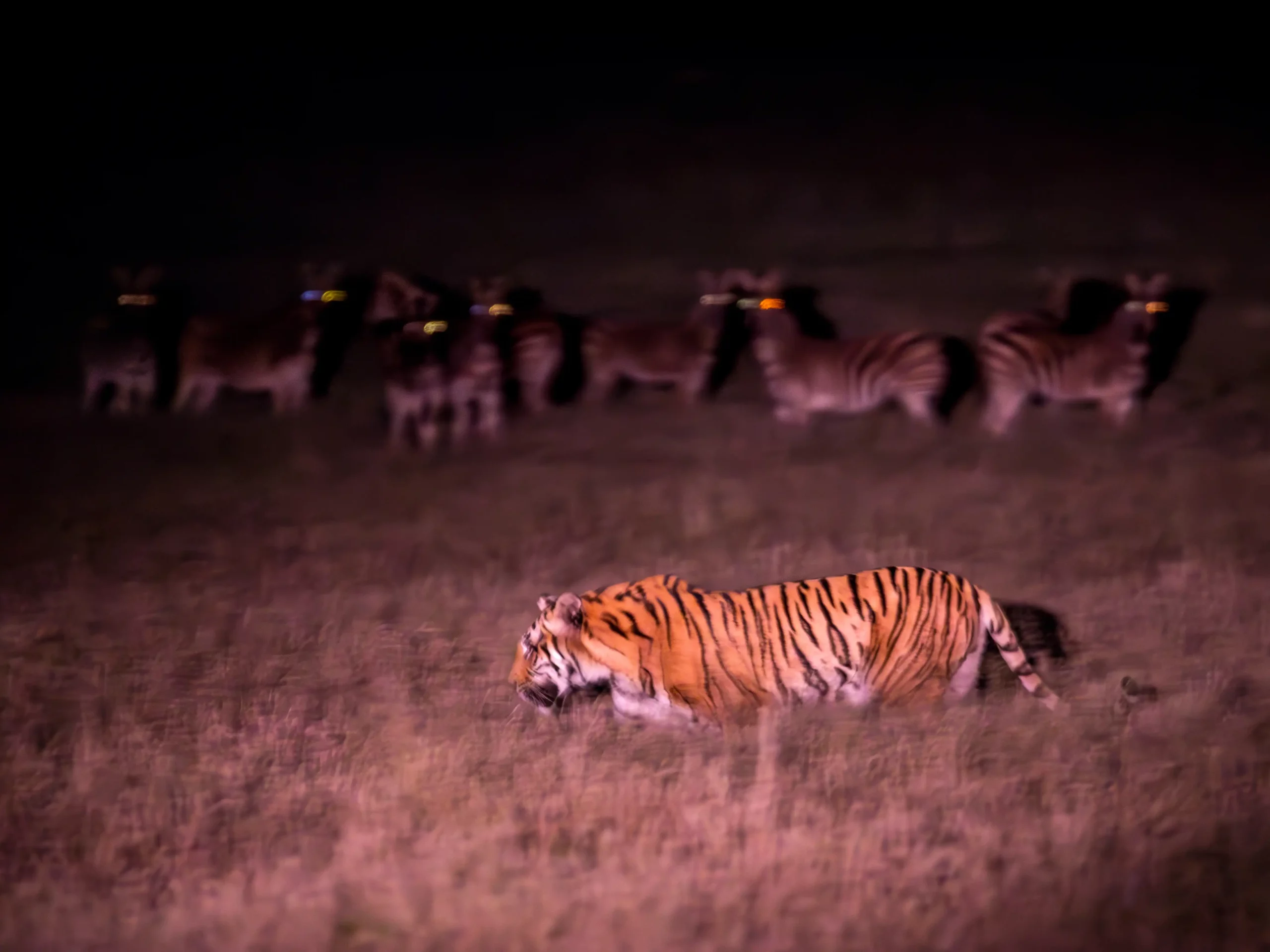
Our tigers hunt naturally and live within a managed wild environment. For safety and welfare, tiger viewing is conducted only in enclosed vehicles, and no person may exit the vehicle in tiger areas. There are no walking safaris in tiger zones. Because the tigers are comfortable around vehicles, they may approach the game viewers — guides always manage positioning calmly and responsibly.
To protect the animals and maintain low-impact viewing, we limit vehicle numbers at sightings: typically, no more than two vehicles, and occasionally three when conditions allow. When mothers have young cubs, only one vehicle is permitted. Den sites are strictly protected, and vehicles do not approach these areas.
Cheetah Tracking & Observations
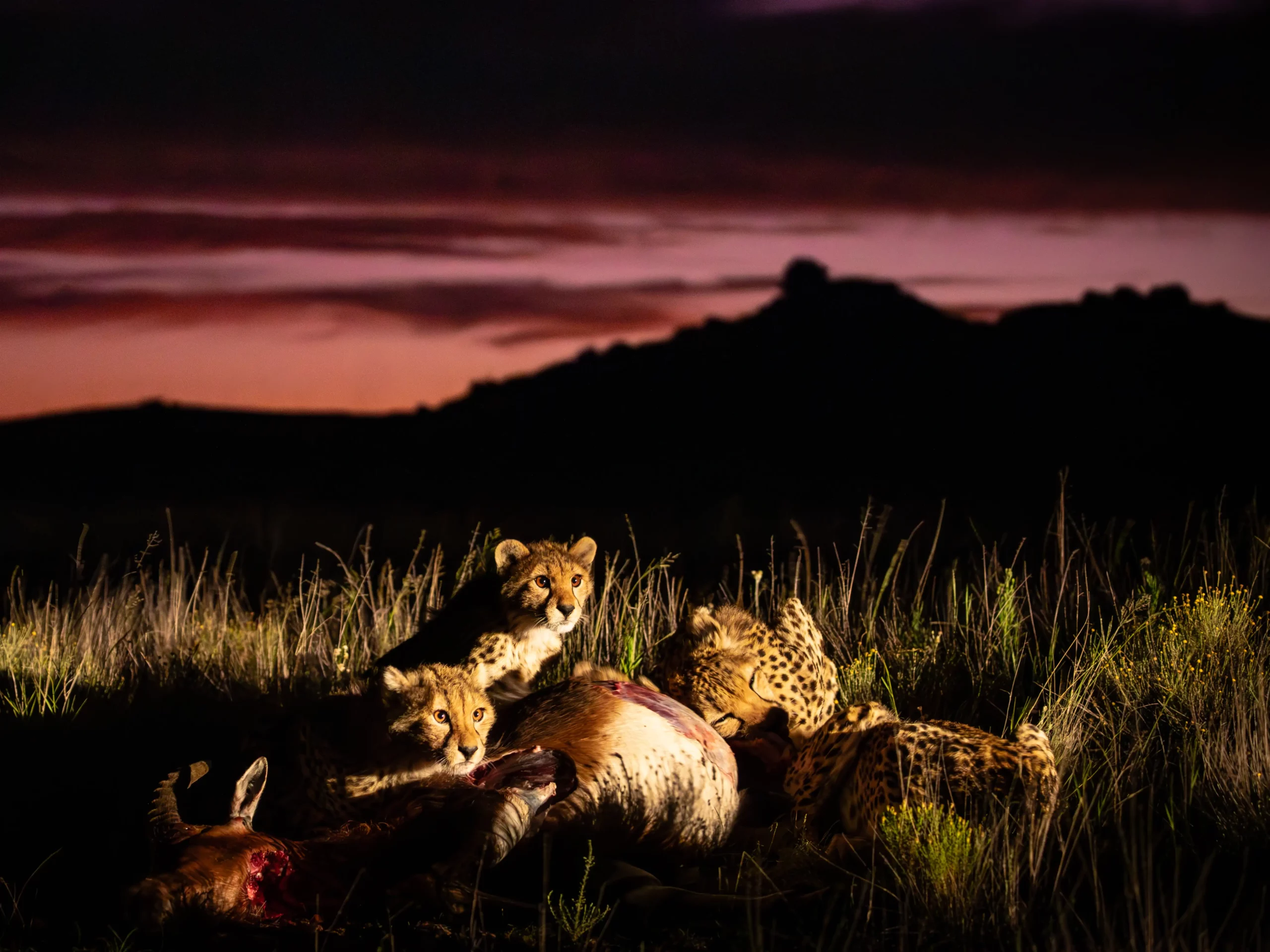
Cheetah tracking at Kishindo is an observation-based experience shaped by time, distance, and attention — not outcomes. Accompanied by experienced guides, you’ll move through open country with clear boundaries and careful positioning, learning to read the landscape, light, and movement as the cheetah leads the moment.
This is time spent watching: a quiet, field-based opportunity to witness natural movement and decision-making, and to understand behaviour through patience. Along the way, you may observe movement patterns, social dynamics, and the hunting ecology that sits within a predator–prey balance in a recovering system.
Cheetah tracking at Kishindo is never framed as an encounter or interaction, and there are no guaranteed sightings. It is a respectful practice rooted in calm presence and restraint — allowing the landscape and the animals to guide what unfolds.
Wild cheetah tracking at Kishindo is guided by strict welfare protocols. Viewing is done at a respectful distance, and no physical contact is permitted. Mother and cub viewing is carefully managed, and den areas are fully protected, with no access for any person or vehicle.

Birding
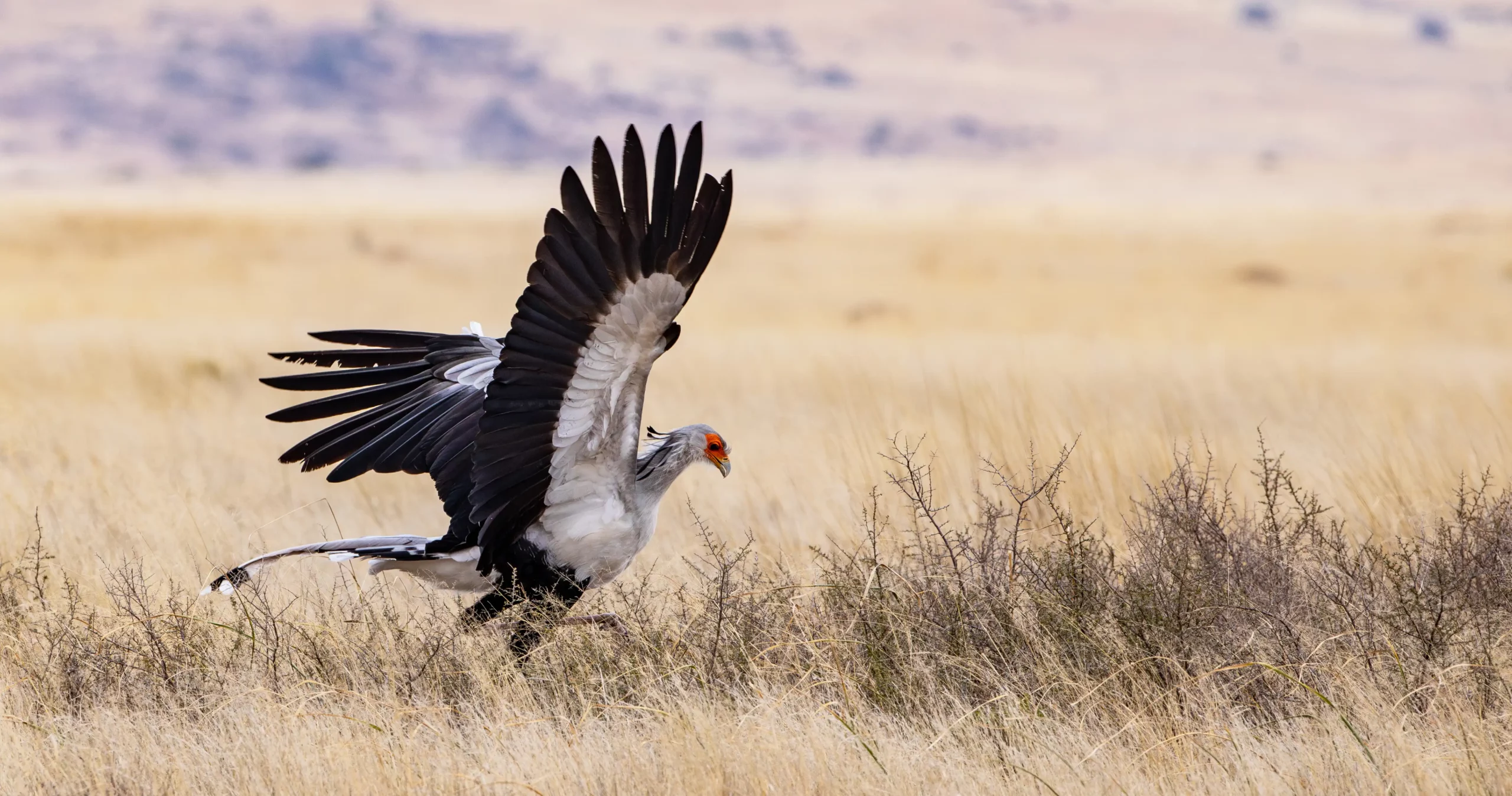
Kishindo offers exceptional birdwatching, with 250 avian species recorded across the reserve. Blue cranes are a constant presence here, while patient observers may also spot secretary birds hunting in the veld, the rare blue korhaan, and the black-headed canary.
Whether you’re a seasoned birder or a curious beginner, our experienced guides help you identify key calls, field marks, and behaviours — deepening your appreciation for the birdlife that calls Kishindo Tiger Canyon home.
Photography
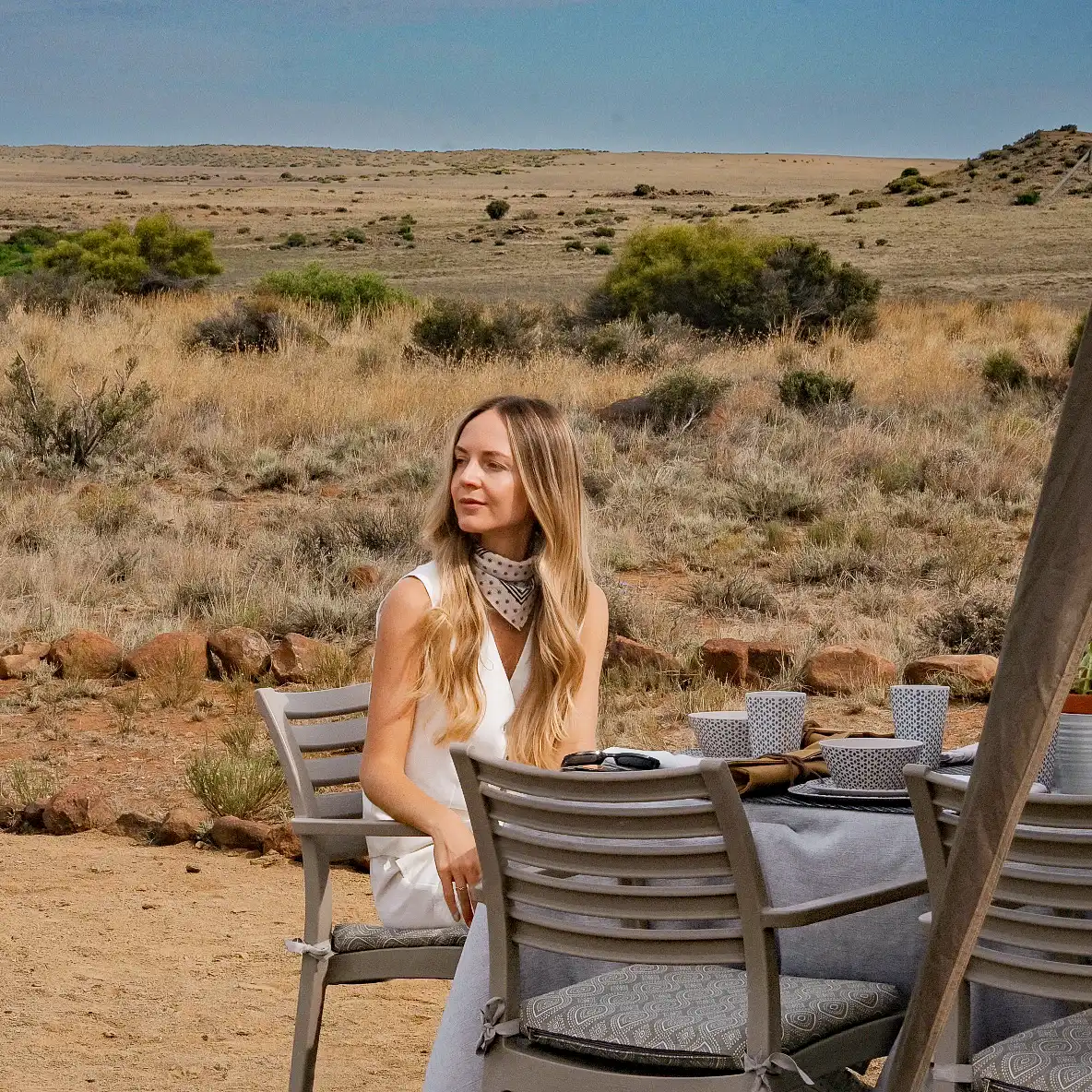
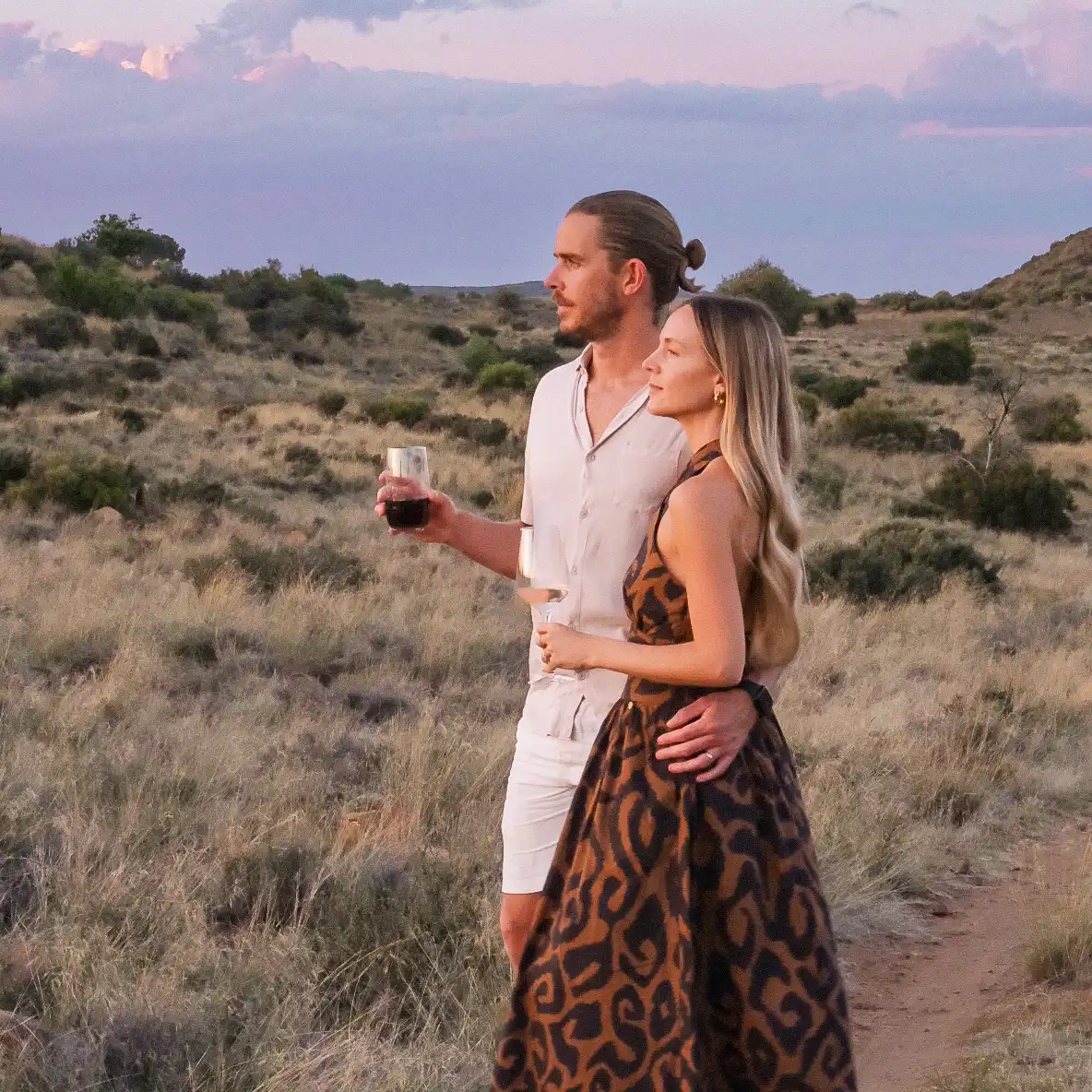
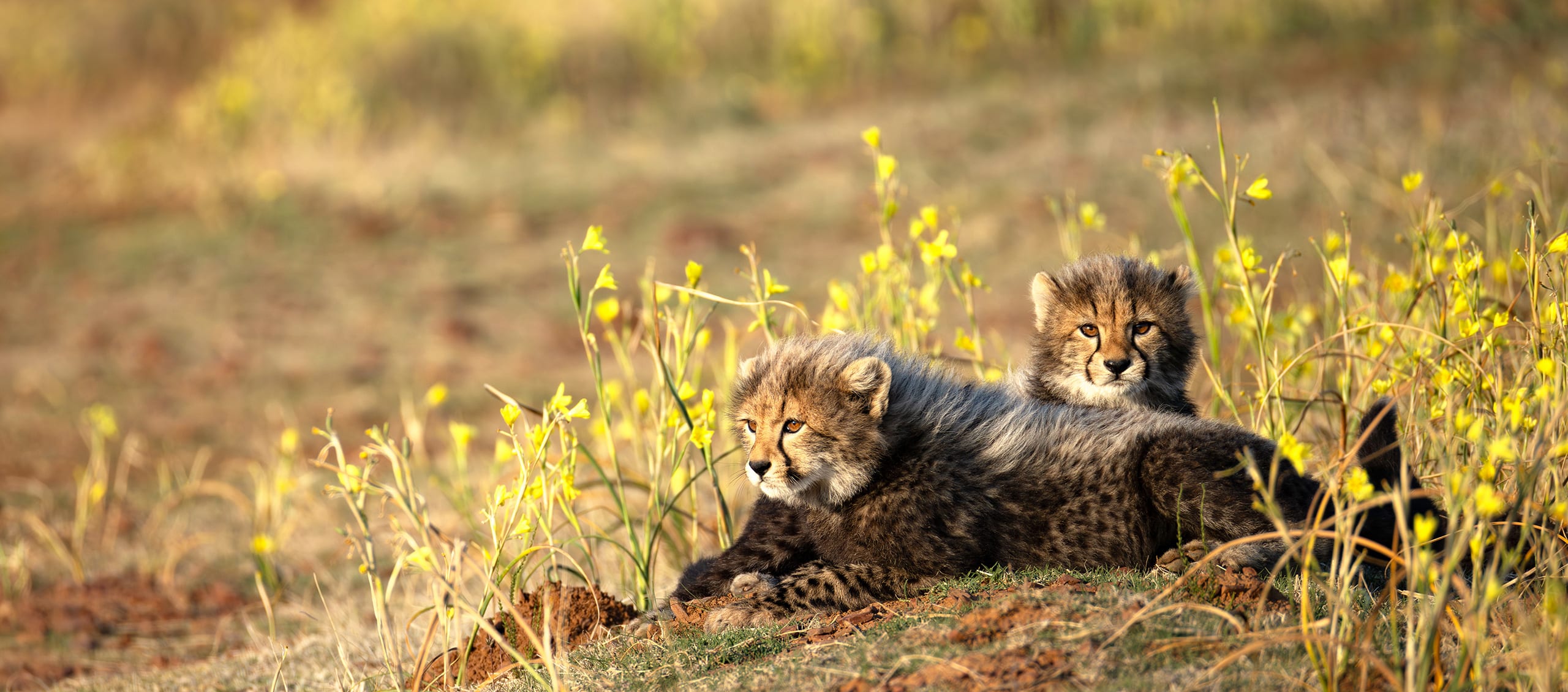
Kishindo is a sought-after photographic location, attracting professional photography groups internationally — from frame-filling wildlife moments to dramatic Karoo landscapes in warm, late-afternoon light. Expect big skies, textured terrain, and sunsets that can turn a frame into something exceptional.
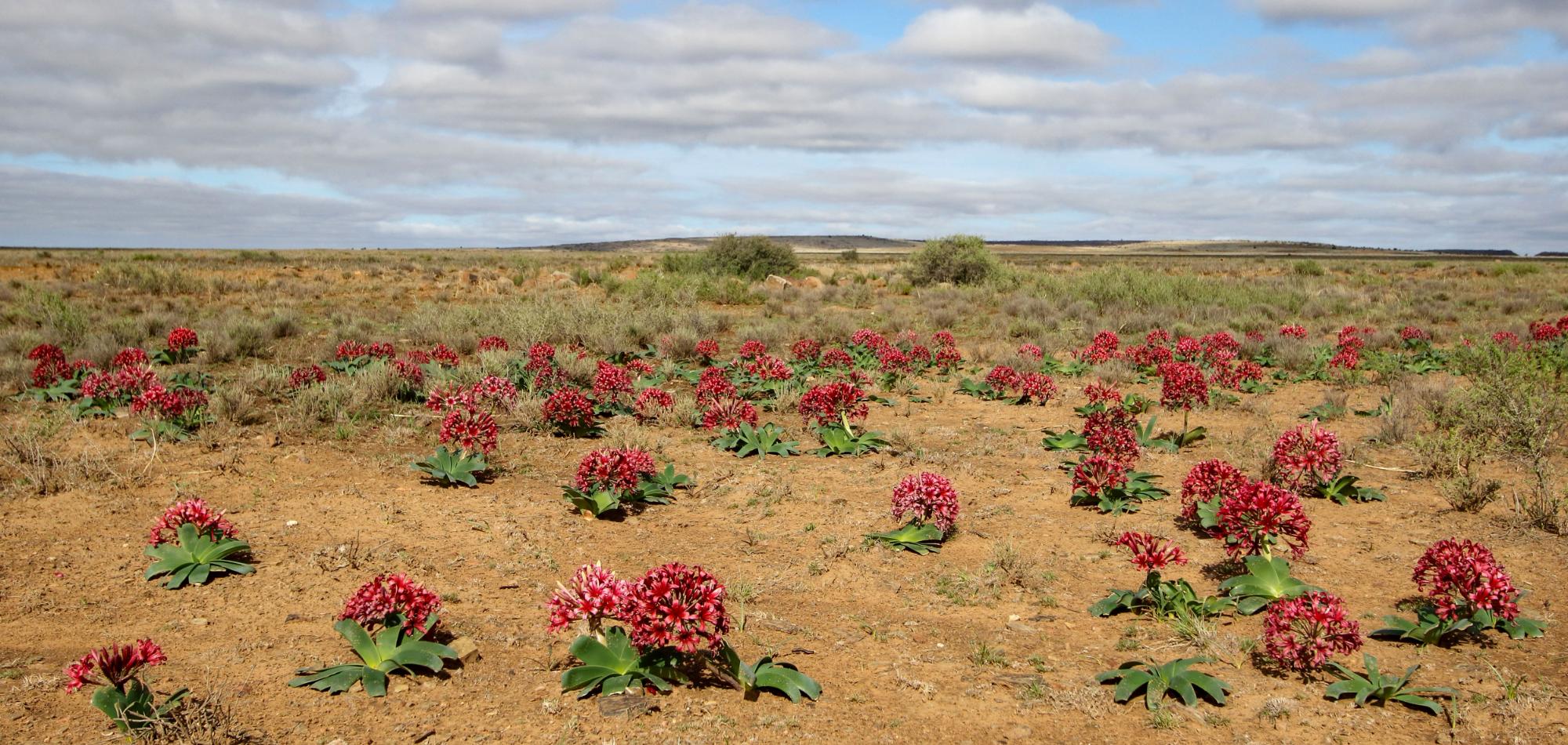
Our photographic guides offer practical, on-the-drive support — from camera settings and composition to reading behaviour and anticipating movement — so you’re ready when opportunities arise. They’ll also help you slow down and notice the smaller details: hidden patterns, tracks, and the floral jewels that are easy to miss, but often make the most memorable images.
After-Dark Observations
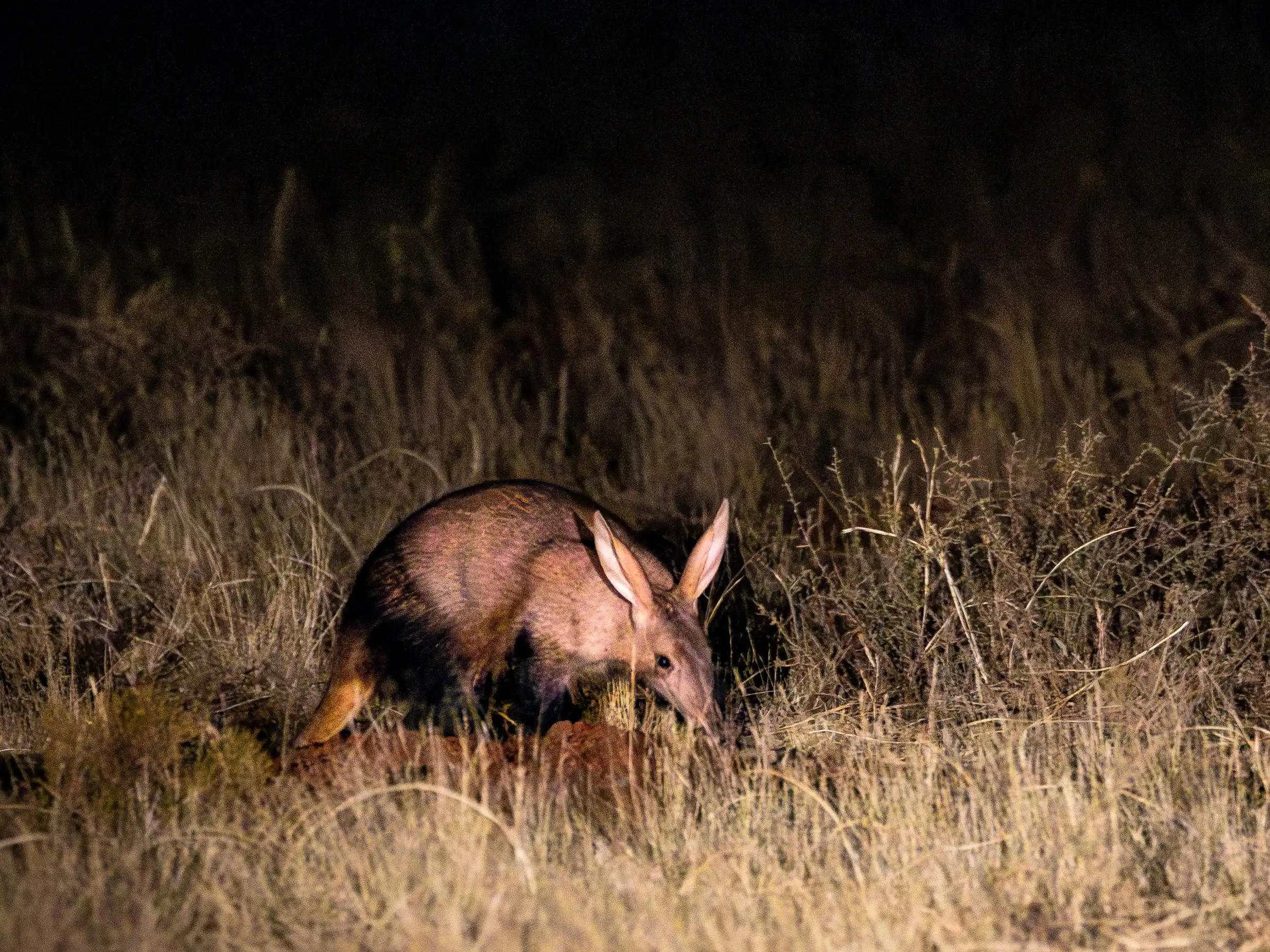
For a different perspective of the Kishindo reserve, join our After-Dark Observations: a carefully managed, low-impact experience designed to minimise disturbance and prioritise animal welfare. Rather than chasing sightings, we focus on quiet observation and reading the landscape as it changes after dark. On some outings, guests may be fortunate to glimpse elusive nocturnal species such as aardwolf, black-footed cat, porcupine, or springhare, along with the reserve’s remarkable nighttime sounds and movement.

Stargazing
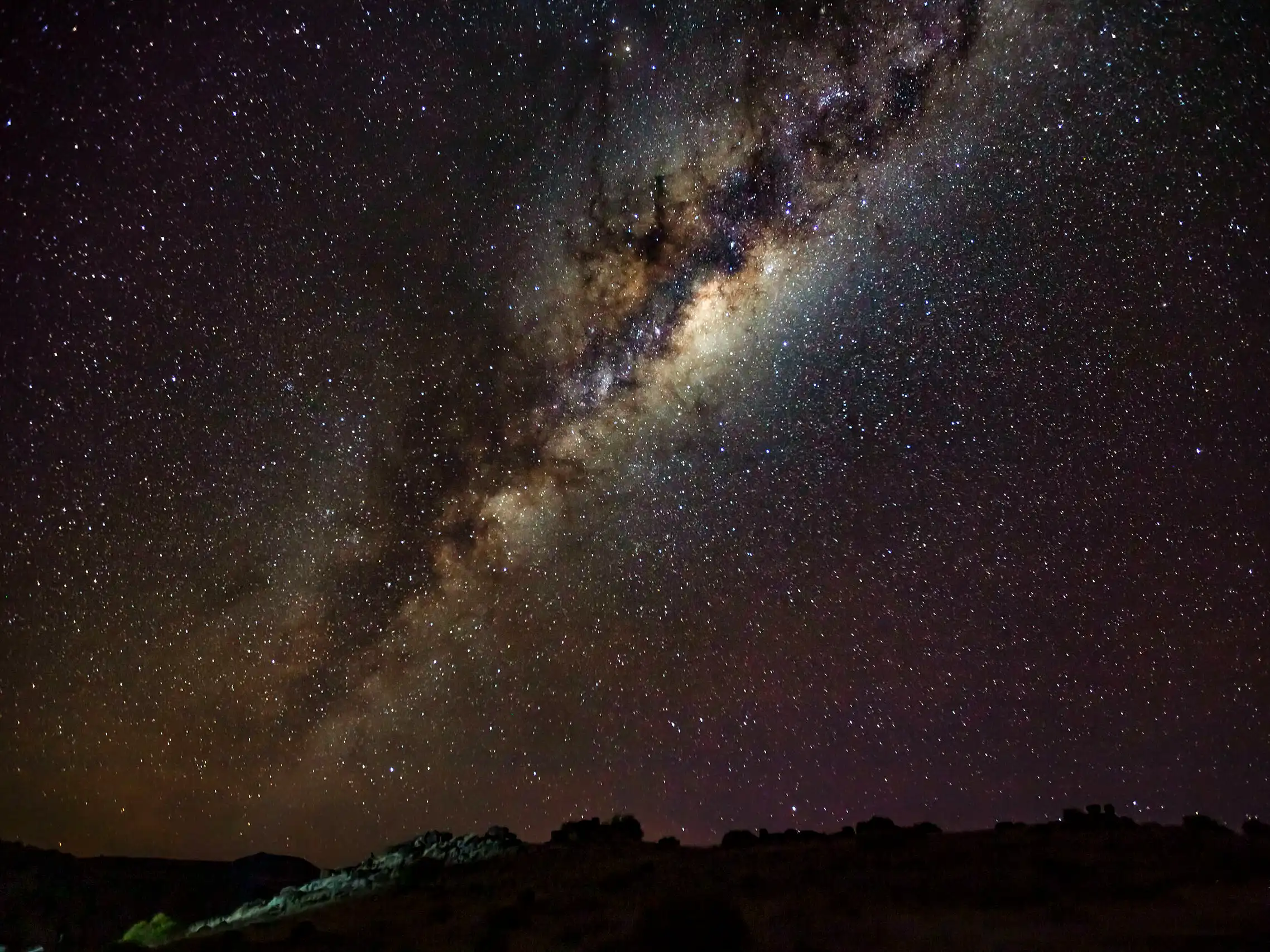
Away from city lights, Kishindo offers remarkable stargazing. On clear nights, you can trace the Milky Way across the sky, pick out constellations in sharp detail, and—if you’re lucky—spot the occasional meteor.
Afterwards, unwind beside the campfire at our star-circle and reconnect with the quiet of the Karoo night. Bring your camera and tripod to capture long-exposure star-scapes and time-lapse images that reveal the vastness of the universe overhead.
Video credit: Anton van Niekerk
‘For my part I know nothing with any certainty, but the sight of the stars makes me dream.’
- Vincent Van Gogh
Walking Trails
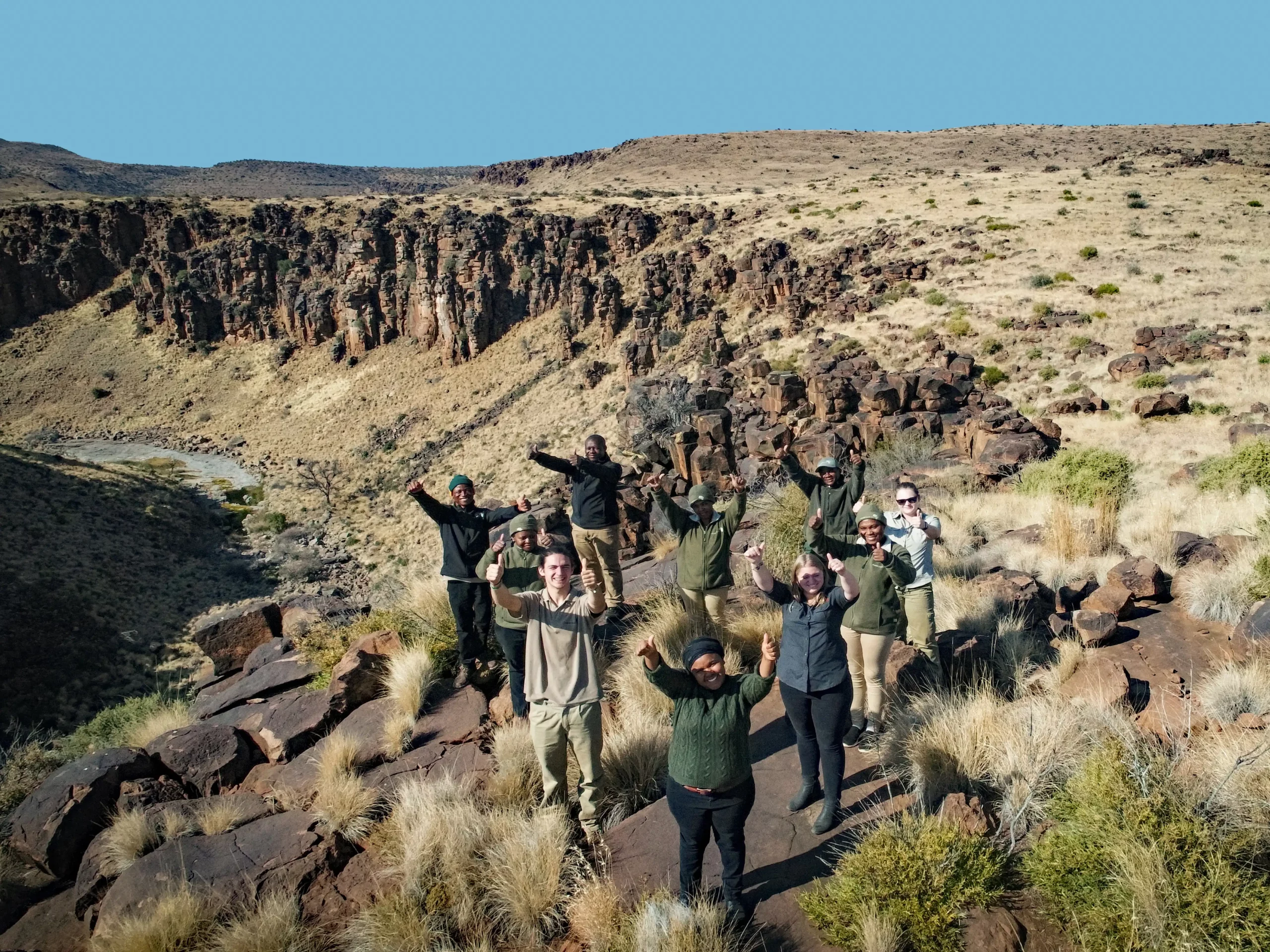
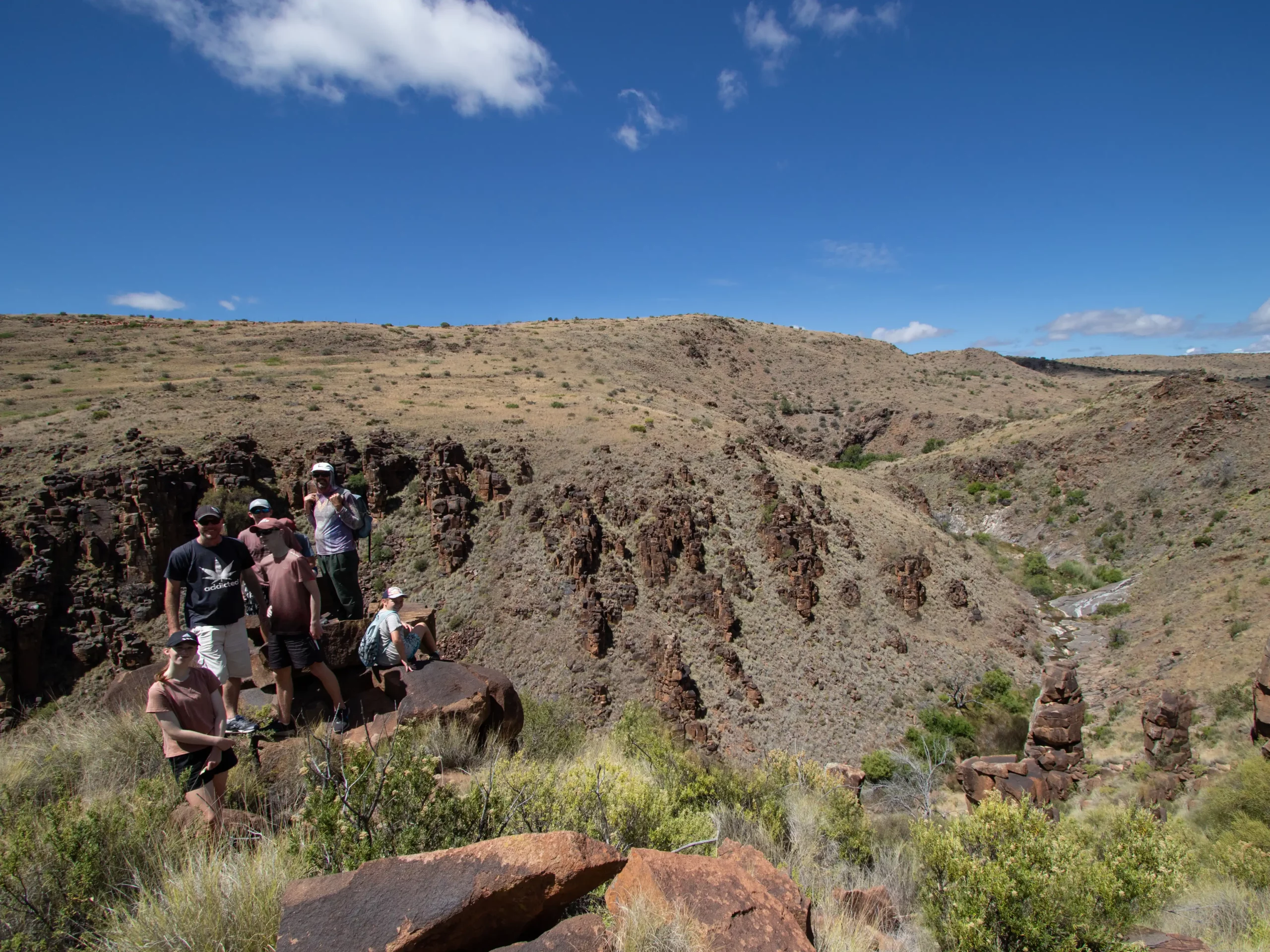
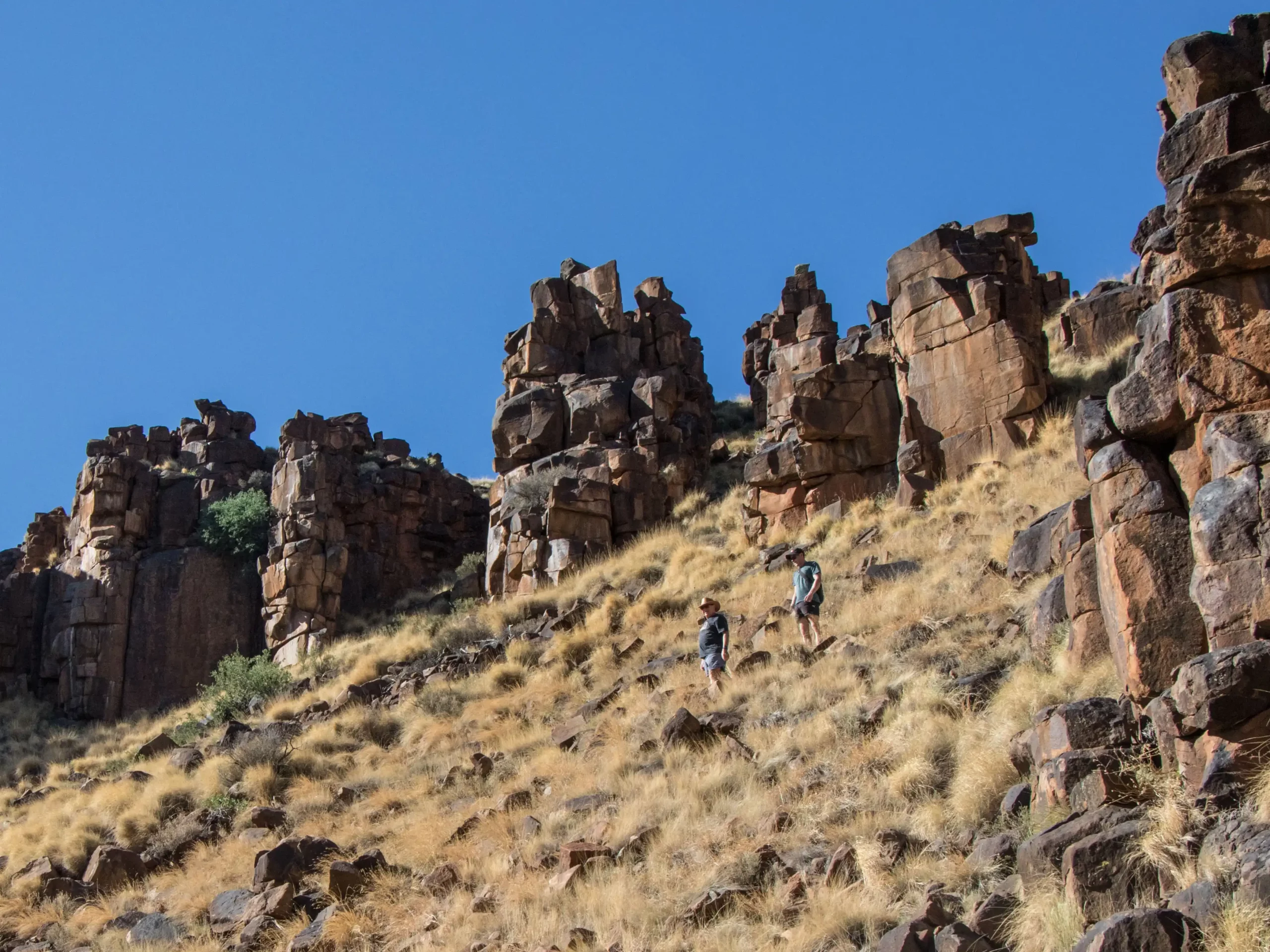
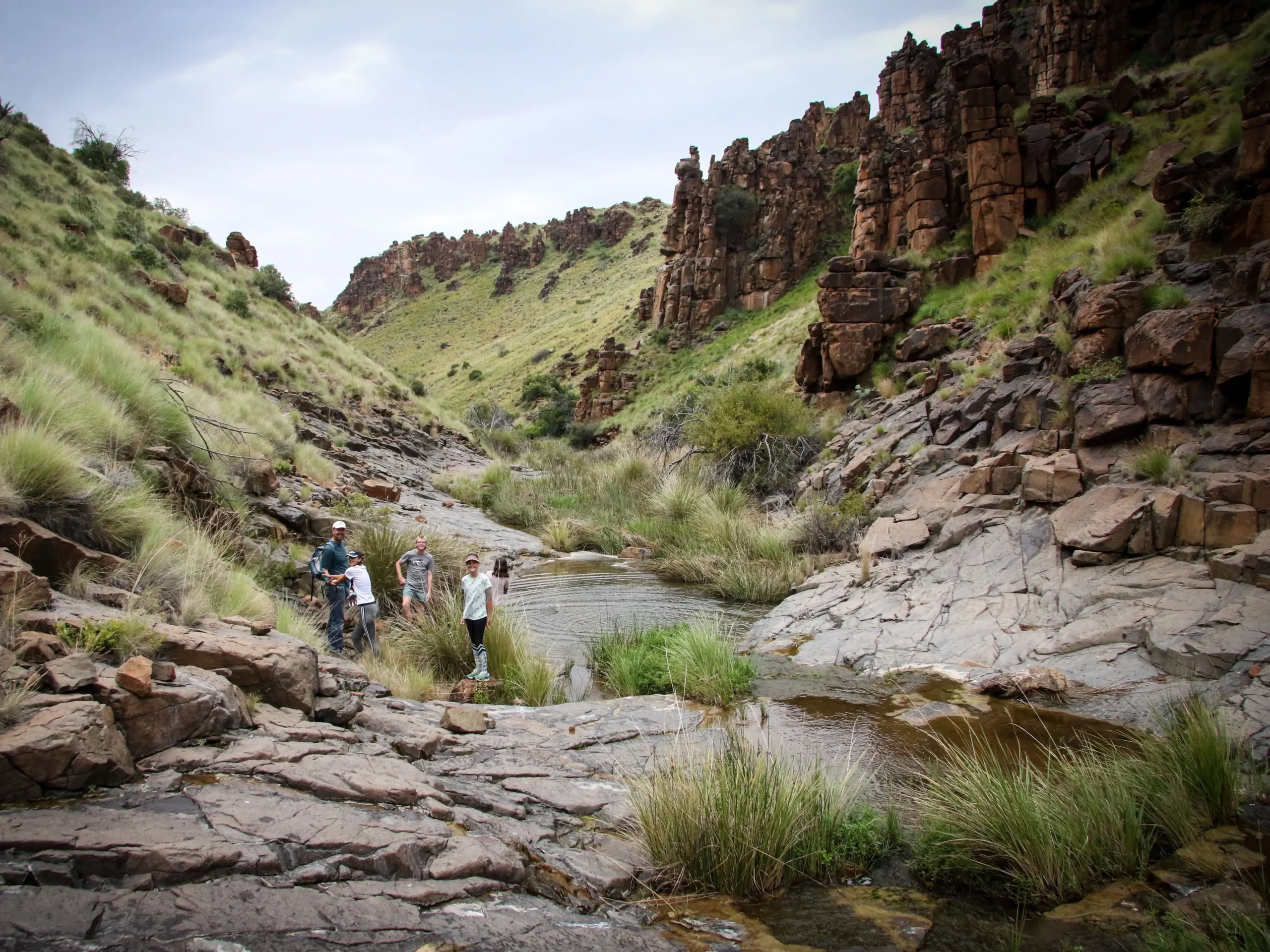
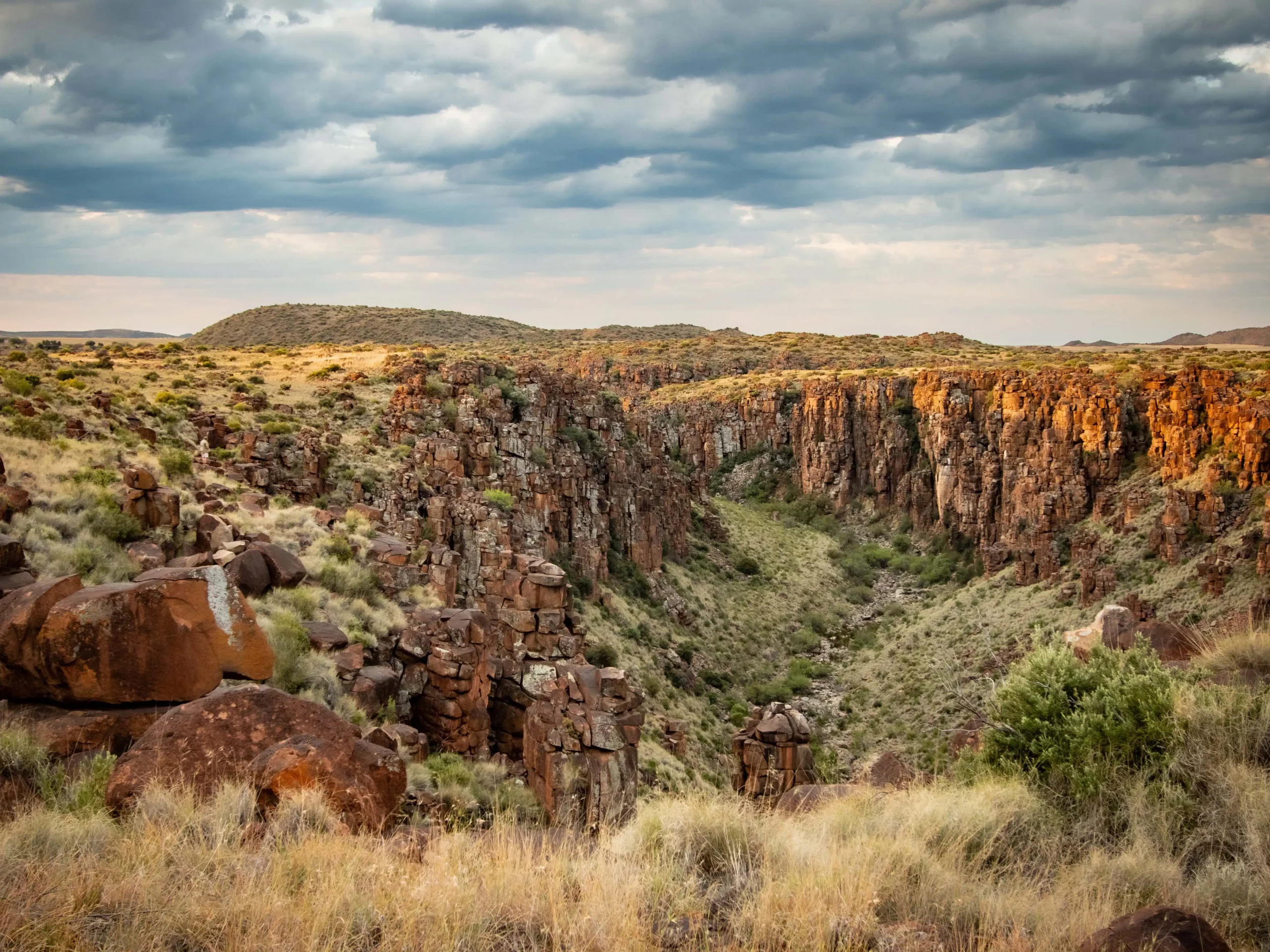
Lace up your boots and explore Kishindo’s varied terrain on foot. Our guided hikes offer a fresh perspective on the reserve’s plants, geology, and smaller details of the landscape — with time to pause, notice, and learn along the way.
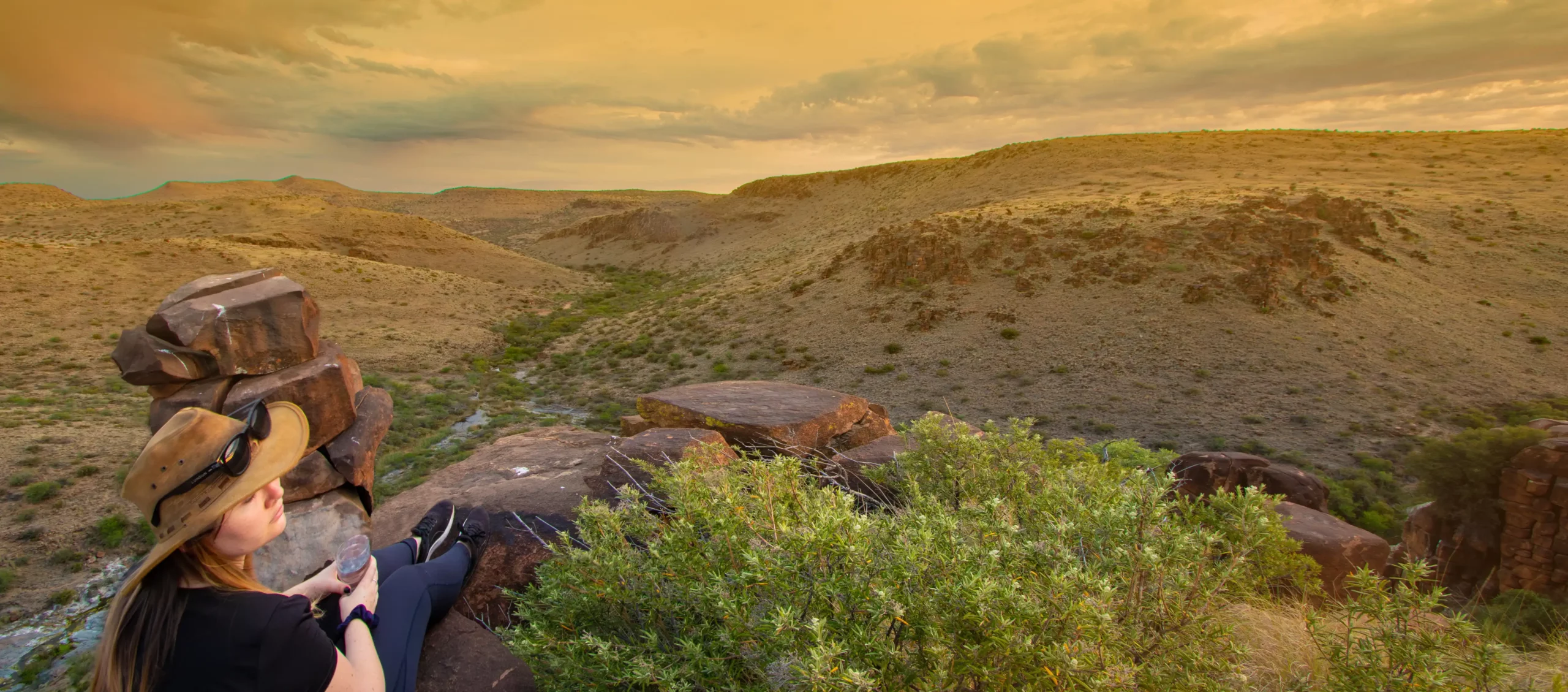
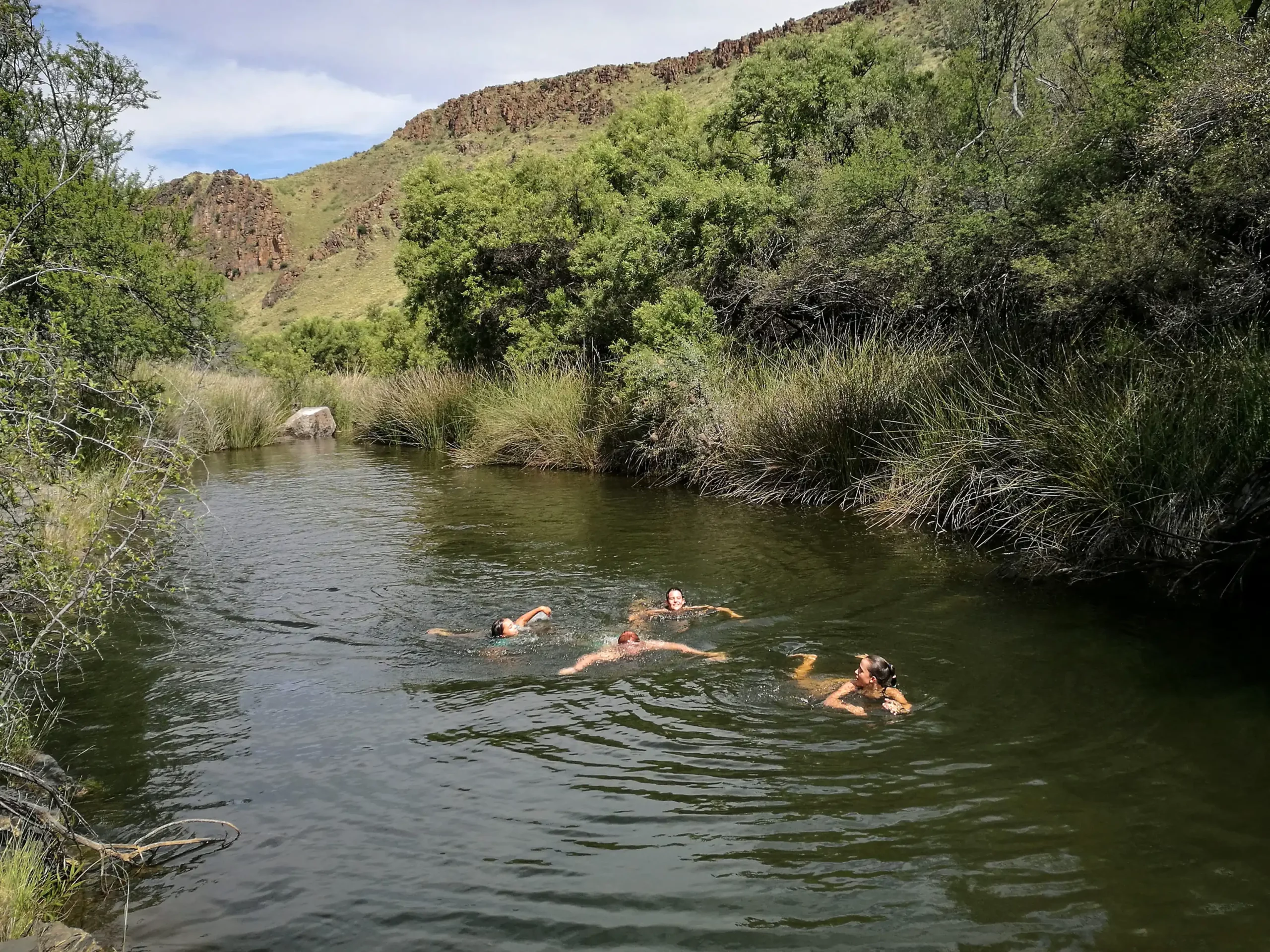
Choose between two signature routes. The Canyon Pools Trail begins near the top of the canyon, and descends into a striking riverine environment, and close to the Verreaux’s eagles’ nesting area. This is a moderately strenuous hike of around 4–5 hours, and a vehicle will collect you at the end to return you to the lodge. If conditions allow, bring your swimming costume for a refreshing dip in the pools.
For a more relaxed option, the Star Circle Hike offers several route choices that overlook Paaiskloof Canyon and the rock pools below. Most walks take about an hour, with shorter circular loops available depending on your preference and the day’s conditions.
Bush Picnic
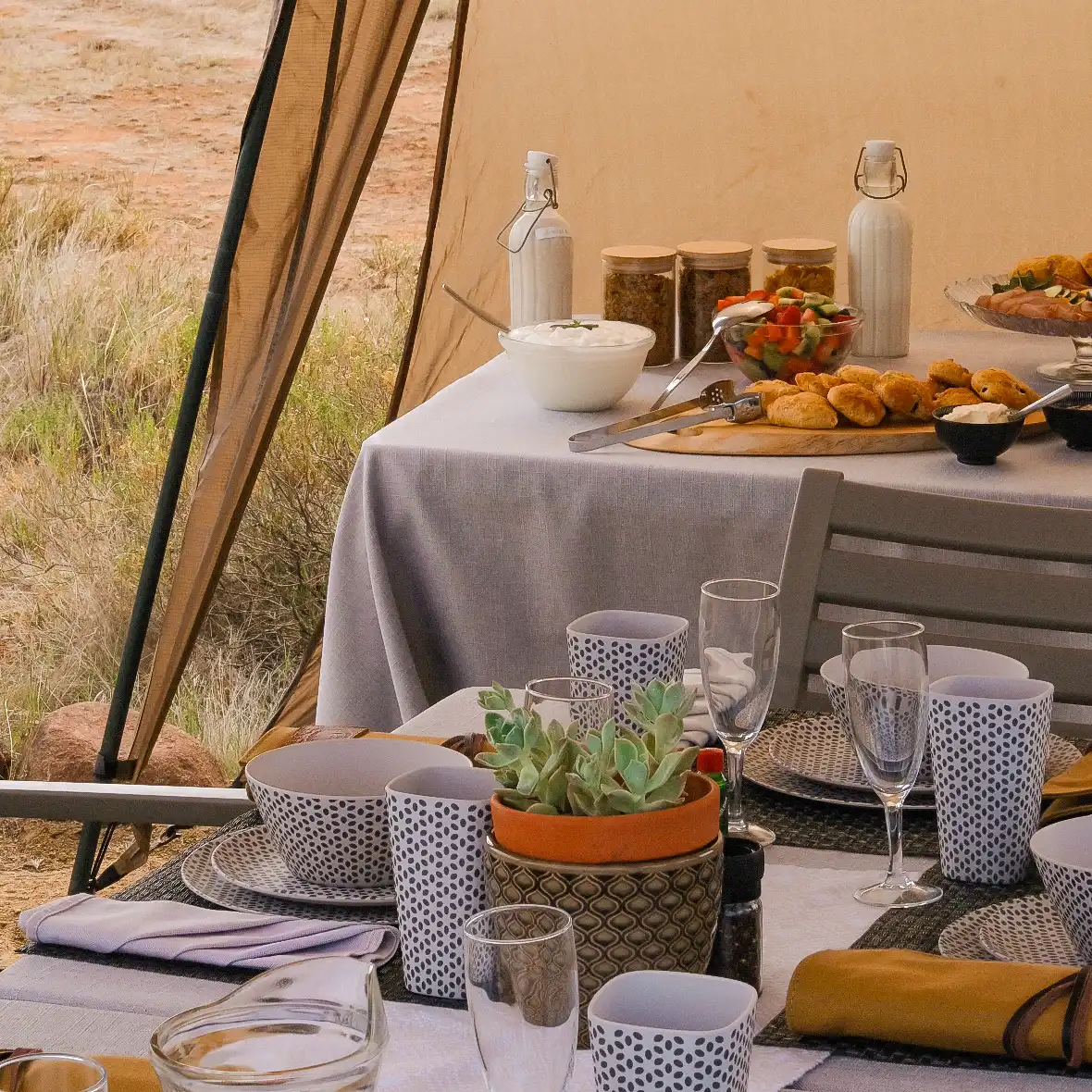
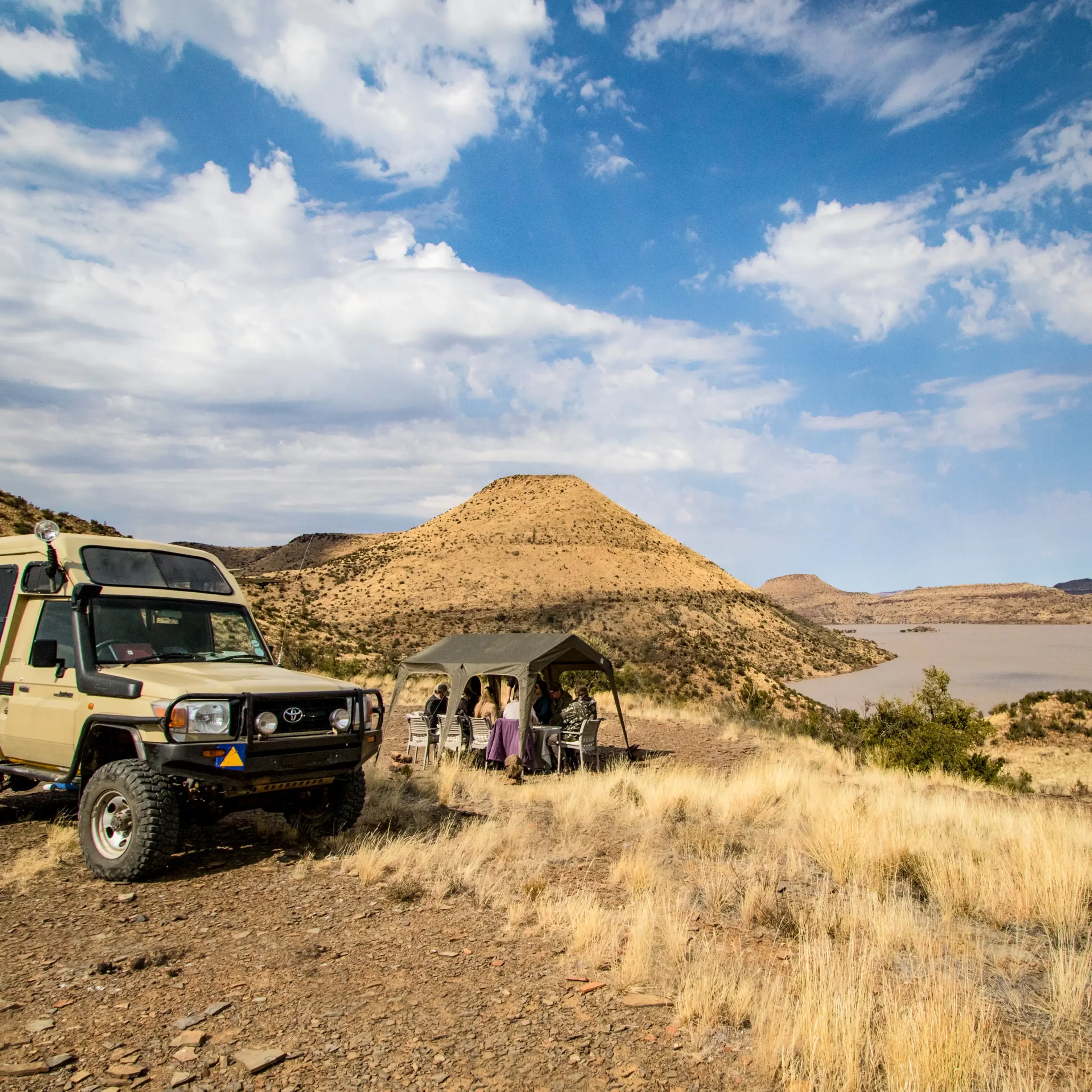
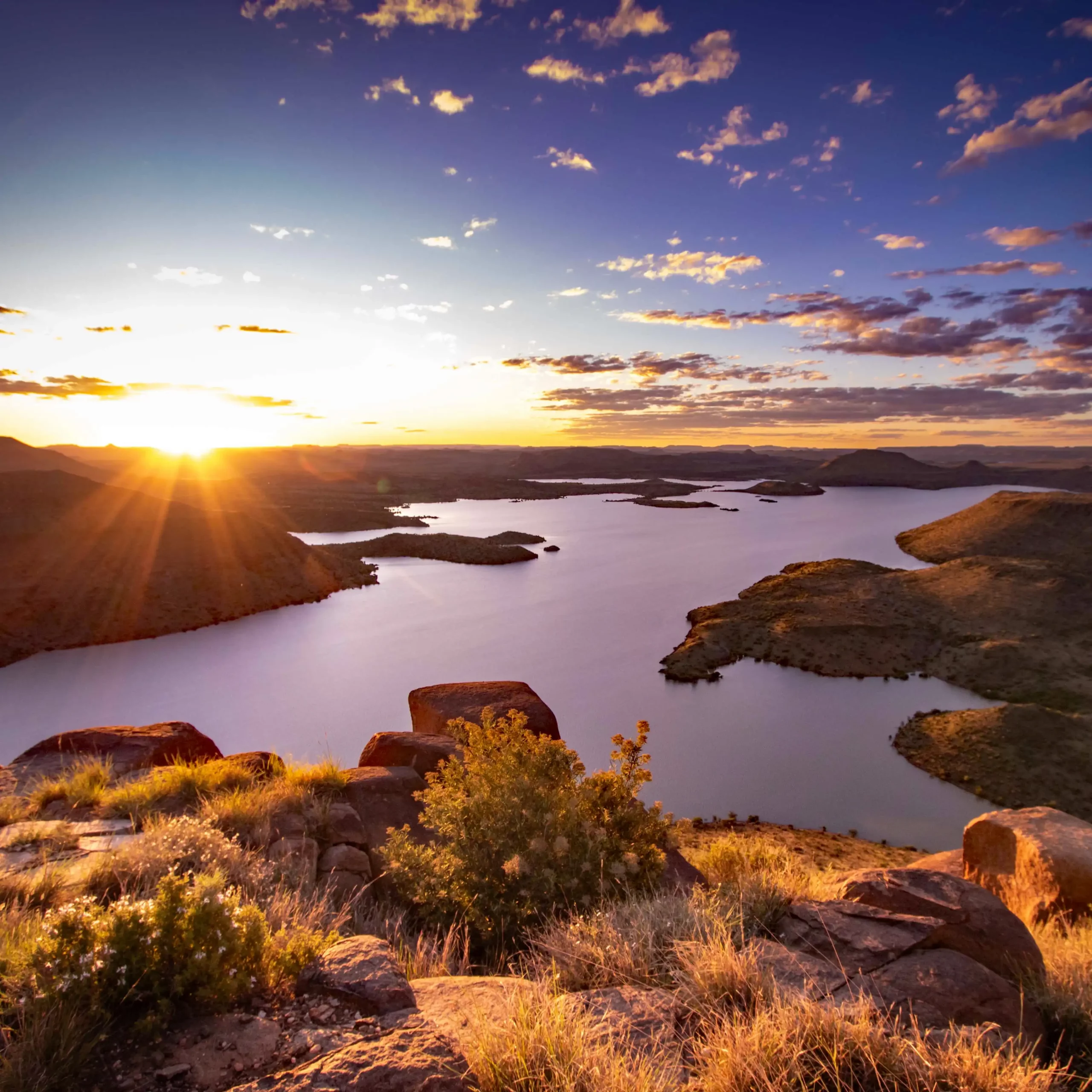
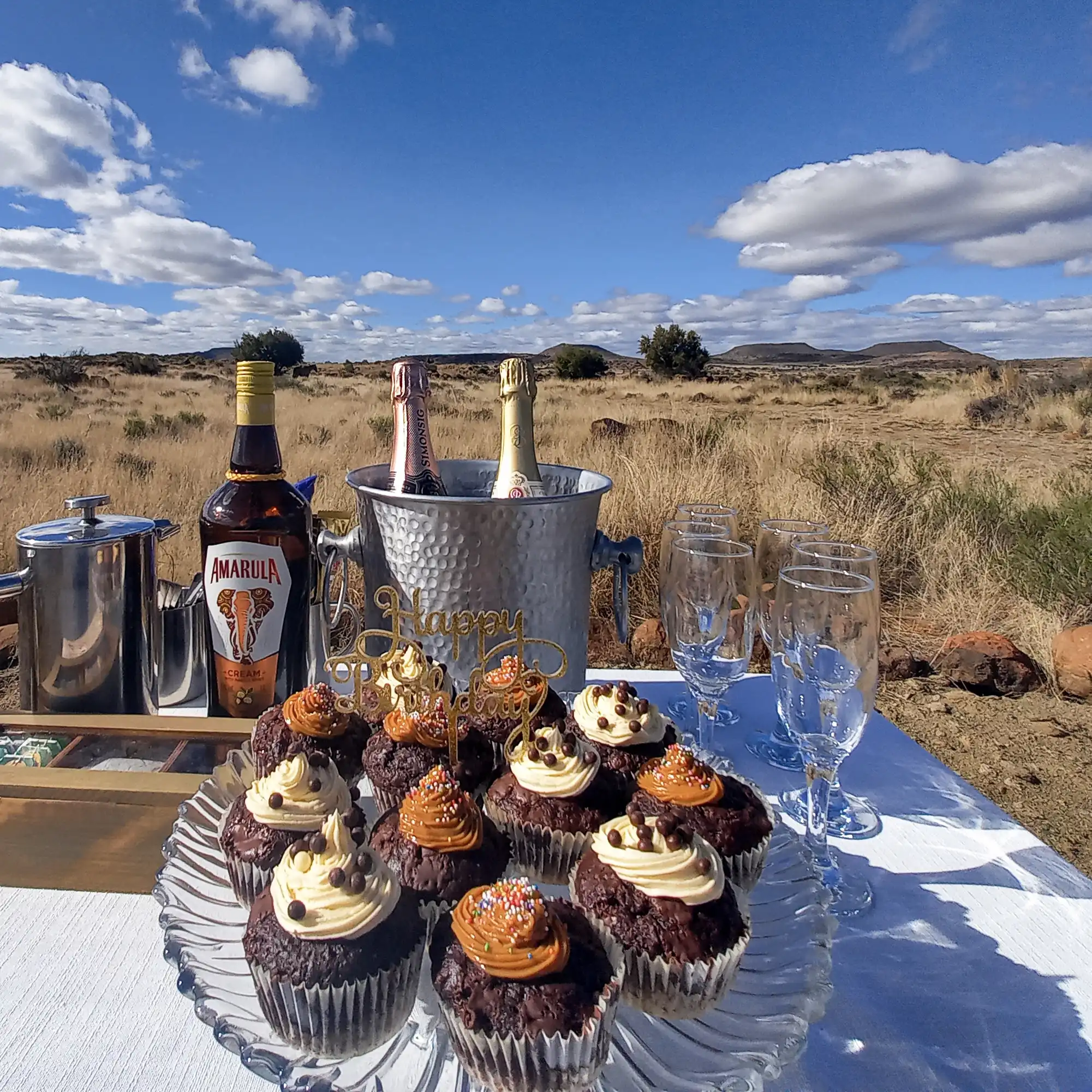
For a truly unique experience, consider a picnic at the picturesque Vanderkloof Dam. Enjoy stunning views over the water while indulging in a delicious meal.
Picnic at the Vanderkloof Dam
Consider a picnic at the picturesque Vanderkloof Dam for a truly unique experience. You will enjoy stunning views of the dam while indulging in a delicious meal.