TIGER CANYON

Traditional Asian artwork of a tiger and dragon in a yin-yang battle design, symbolising strength, power, and balance.
TIGER CANYON

The Cultural Power of the Tiger

Why this Iconic Species means more than just Stripes At Kishindo Private Game Reserve, we’re privileged to witness something truly extraordinary: tigers living wild in Africa. Through our pioneering Tiger Canyon project, captive-born tigers have been rewilded to roam free, hunt, raise cubs, and thrive in a restored ecosystem. But our commitment to these magnificent creatures extends beyond ecology, it’s also about honouring their place in the human story. The Tiger an Important Cultural Symbol. Across the vast landscapes of Asia, the tiger has long reigned, not just as a top predator, but as a powerful cultural symbol woven into the spiritual and artistic heritage of countless communities. In India, the tiger is revered as the mount of the goddess Durga, embodying divine strength and fearless protection. In China, the tiger is one of the 12 zodiac animals and is believed to ward off evil spirits, symbolizing bravery, vitality, and power. Sanshin, the Korean mountain god, is typically depicted as an old man with a flowing white beard, accompanied by a tiger and set within a serene landscape of pine trees and misty mountains. This revered figure bridges Korean Shamanism and Buddhism, embodying the guardian spirit of the mountains. From Tibetan thangka paintings to Vietnamese folklore, the tiger appears not just as a wild animal, but as a sacred force of nature, deeply respected, sometimes feared, and always admired. The Indian goddess Durga The tiger is one of the Chinese 12 zodiac animals Sanshin, the Korean mountain god Korean minhwa folk art From temples and textiles to folklore and legend, the tiger’s influence can be felt in every corner of its native range. Yet tragically, while the tiger’s symbolic power has endured, its populations in the wild have plummeted. Habitat destruction, poaching, and human conflict have left tigers clinging to the edges of survival, even in the very countries that revere them. At Kishindo, we believe that conserving the tiger means protecting more than just a species, it means safeguarding a symbol that carries deep meaning for cultures around the world. The tigers of Tiger Canyon may roam African grasslands, but they carry with them the legacy of centuries of reverence, myth, and memory. Tigers in Art, Myth, and Storytelling Traditions For centuries, the tiger has captured the human imagination, its beauty, stealth, and raw power inspiring countless artistic and mythical expressions across cultures. In traditional Japanese ink paintings, tigers are depicted striding through bamboo forests, embodying balance between power and grace. In Korean minhwa folk art, they are often paired with magpies, forming a symbol of justice and satirical humour. Indian miniature paintings portray tigers as regal, often accompanying kings or deities, while in Indonesian batik textiles, tiger motifs reflect ancestral protection and spiritual energy. A traditional Japanese ink painting of a tiger Oral Storytelling Traditions abound with Tiger Legends. In the Sundarbans of Bangladesh and India, tales speak of Dakkhin Rai, a tiger-spirit who can either protect or punish, depending on how humans treat the forest. Bhutan’s famed Tiger’s Nest Monastery clings to a cliff where Guru Padmasambhava is said to have landed on the back of a flying tigress. Each of these stories reflects not only reverence, but also the deep entanglement of the tiger with cultural identity, values, and the natural world. Guru Padmasambhava on the back of a flying tigress The Tiger Today: A Global Symbol of Conservation In the modern era, the tiger has emerged as a flagship species for global conservation. It graces the logos of major environmental organisations, features in awareness campaigns, and headlines international efforts to protect biodiversity. This is not by chance. As an apex predator, the tiger requires large, intact habitats, making its survival a key indicator of ecosystem health. When we protect tigers, we protect forests, water systems, and the thousands of other species that share their range. The tiger’s image is now synonymous with strength, urgency, and hope. From World Tiger Day campaigns to rewilding initiatives across Asia, the tiger represents the frontline of wildlife conservation. Yet it is also a symbol of what we stand to lose if human impact continues unchecked. In the face of climate change, habitat destruction, and illegal wildlife trade, the tiger is a call to action. The tiger represents the frontline of wildlife conservation Kishindo – Tiger Canyon At Kishindo, we carry the tiger symbolism forward in a meaningful way. Our Tiger Canyon project not only protects a small population of wild tigers, but challenges what is possible in conservation. By rewilding captive-born tigers and allowing them to live, hunt, and raise cubs in vast natural territories, we demonstrate a model of ethical, ex-situ conservation that serves both the species and the global community striving to save it. Tiger Canyon represents a new cultural identity for tigers, one rooted in freedom, protection, and hope. Here, on the African continent, tigers are living wild and free, embodying the possibility that one day all captive tigers might reclaim their place in the natural world across the planet. Learn more about tiger conservation efforts worldwide from WWF. Fences keep wildlife and communities separated and safe A Legacy Worth Protecting The tiger has always meant more than muscle and stripes. The tiger represents myth, memory, and meaning. It stands for power and protection. As guardian of the forests and spirit of the wild, the tiger reflects humanity’s deep connection to nature. BACK TO BLOG

Luxury outdoor lodge area at Kishindo Private Game Reserve with swimming pool, firepit, and scenic rocky landscape at sunset.
TIGER CANYON

Experience the Magic of a Luxury Safari Lodge in South Africa

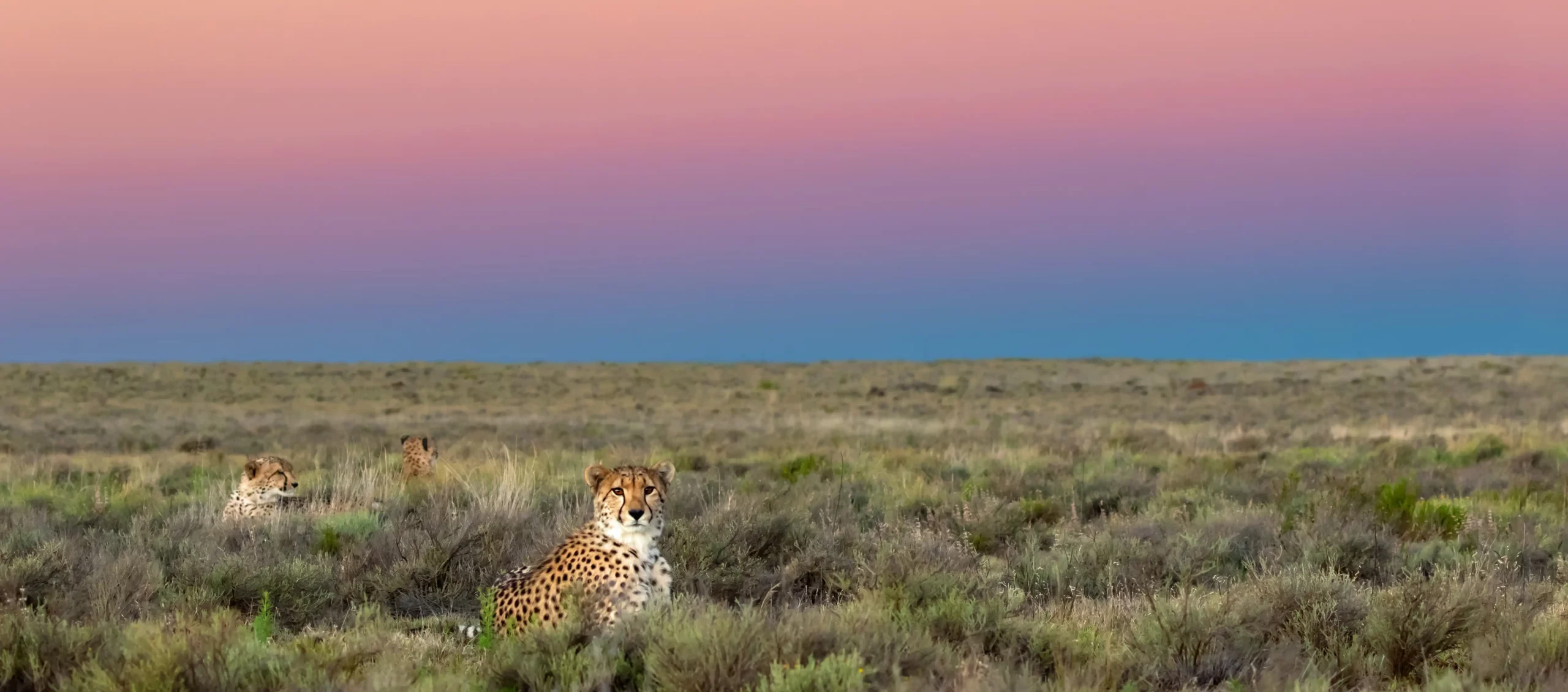
For over two decades, Kishindo Private Game Reserve has stood as a beacon of sustainable conservation, eco-friendly hospitality, and commitment to global wildlife preservation. Situated in the heart of South Africa, Kishindo offers a one-of-a-kind experience that combines the thrill of a safari with the comfort of a luxury lodge. Whether you’re here for the wildlife, the serenity, or the unforgettable memories, Kishindo promises an adventure unlike any other. The Heart of Conservation: Kishindo’s Commitment to Sustainability At Kishindo, sustainability isn’t just a buzzword; it’s the foundation of everything we do. Our mission since 2000 has been clear: to protect endangered species and preserve their natural habitats. By focusing on conservation and the rewilding of local species, we ensure that future generations can enjoy the beauty of Africa’s wildlife. Visitors to our private game reserve will find themselves in an untouched wilderness, home to incredible animals, including majestic big cats. We believe that eco-tourism should be a tool for conservation. We strive to create an environment that fosters both. Our luxurious accommodation and expertly guided safaris ensure that every guest has the opportunity to experience the African bush in the most responsible and sustainable way possible. Photo Credit: Perfect Directions What Sets Kishindo Apart: An Exclusive Safari Experience When you visit Kishindo, you’re not just going on a safari – you’re stepping into a world where luxury meets nature. Our exclusive luxury safari lodge in South Africa offers visitors unmatched privacy, attention to detail, and personalized service. Each experience is curated to reflect our dedication to excellence, whether you are exploring the savanna on a guided game drive or relaxing by the lodge after a thrilling day. Our private game reserve is home to an array of wildlife, but it is the presence of big cats that defines the Kishindo experience. With a population re-wilded tigers and cheetahs, guests can witness these apex predators in their natural habitat. All while being surrounded by unparalleled luxury. Photo Credit: Perfect Directions Unrivaled Comfort and Privacy at Kishindo Safari Lodge Kishindo’s luxury safari lodge offers guests the opportunity to immerse themselves in the wilderness without sacrificing comfort. Our accommodation is designed to blend seamlessly with the environment, providing a tranquil and private space from which to enjoy the African landscape. Each suite offers breath-taking views of the surrounding bush, allowing guests to feel fully connected to the wild. With expert chefs preparing gourmet meals, a range of activities, and the expertise of our game rangers, you can rest assured that your stay will be nothing short of extraordinary. Plan Your Unforgettable Safari Adventure Today! Are you ready to experience a luxury safari like no other? Visit our Safari Booking Page to reserve your stay and begin your journey into the wild. Whether you’re looking for adventure, relaxation, or a bit of both. Kishindo is the ultimate destination for a luxury safari lodge in South Africa. Empowering Local Communities Through Eco-Tourism At Kishindo, we believe that our success goes beyond protecting wildlife. We’re equally committed to empowering local communities and creating sustainable livelihoods through eco-tourism. By providing jobs, supporting local businesses, and promoting education. We help ensure that the benefits of conservation reach far beyond our reserve. This holistic approach ensures that conservation efforts at Kishindo have a positive impact on both wildlife and people, contributing to the long-term success of the region. For an insightful exploration of sustainable eco-tourism, consider reading The Rise of Sustainable Travel: How Ecotourism Is Redefining Global Adventures. This article delves into how sustainable travel and ecotourism are reshaping global adventures by reducing environmental footprints and fostering positive impacts on local communities and ecosystems. BACK TO BLOG

Tiger walking confidently along a dirt path in tall dry grassland at Kishindo Private Game Reserve.
TIGER CANYON

Explore Tiger Canyon at Kishindo Private Game Reserve

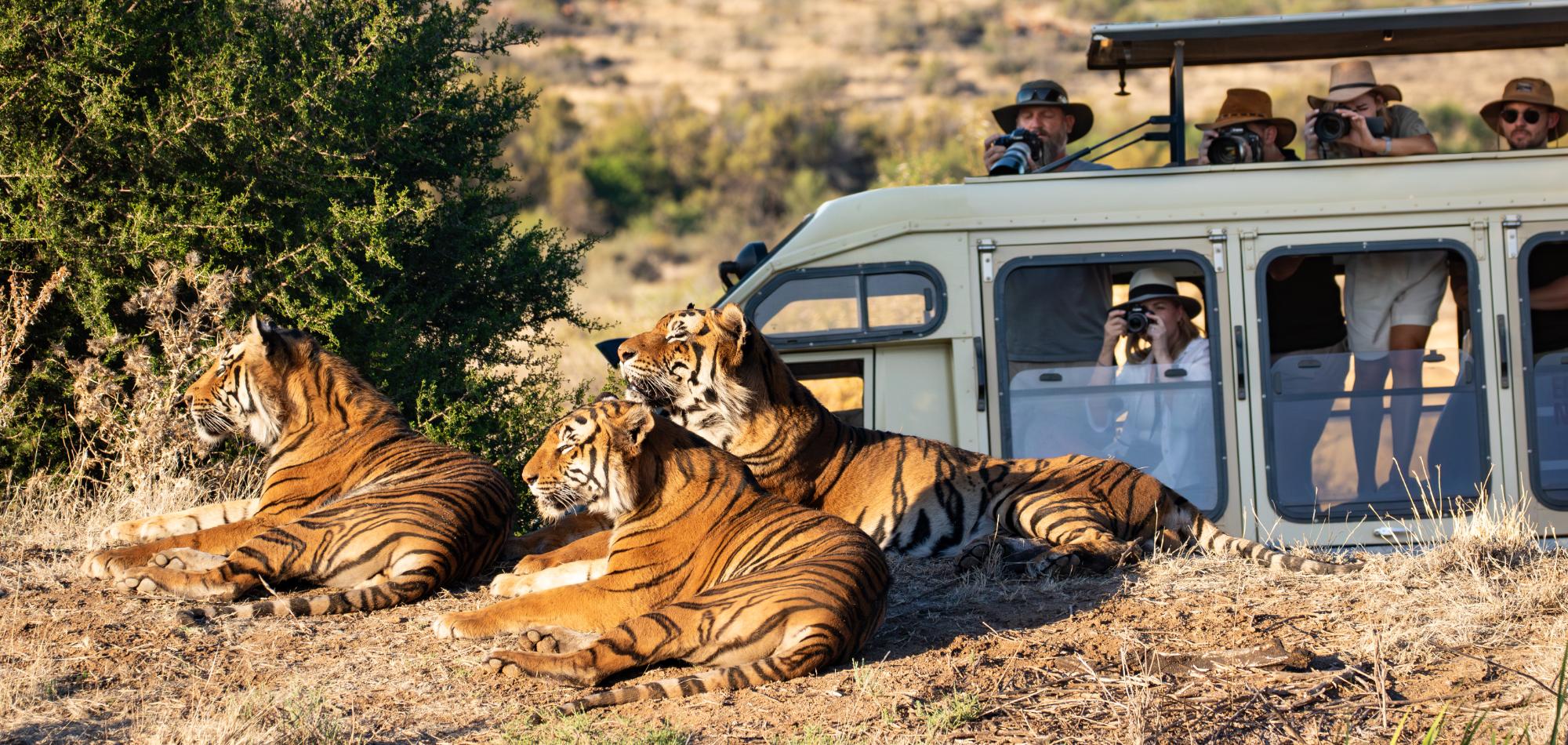
Kishindo Private Game Reserve offers a unique experience for wildlife enthusiasts, and one of the most exciting features of this reserve is the spectacular Tiger Canyon Safari. If you’re seeking an unforgettable adventure, look no further. Tiger Canyon provides a rare opportunity to witness tigers in the wild, a thrilling experience that will leave you with lifelong memories. What is Tiger Canyon? Tiger Canyon is one of the few places in Africa where you can witness tigers up close. These magnificent creatures roam freely in a vast, secure environment, offering visitors a rare glimpse into their behaviors and lifestyles. Unlike traditional safaris where you may encounter lions or elephants, Tiger Canyon offers a completely different experience that’s truly unique to Kishindo Private Game Reserve. Why Choose a Tiger Canyon Safari? There are many reasons why you should choose Tiger Canyon for your next safari. First and foremost, it provides an exclusive opportunity to see tigers in the wild, an experience that cannot be found elsewhere in Africa. The reserve’s conservation efforts ensure that the tigers thrive in a wild and natural environment. This makes the safari not only an exciting adventure but also an educational one. In addition to the tigers, the surrounding area is teeming with other indigenous African wildlife, making your safari truly immersive. From majestic birds to indigenous plants, Tiger Canyon offers a fully rounded safari experience. The Safari Experience at Tiger Canyon A Guided Tour with Experts When you book your Tiger Canyon Safari, you’re not just getting a tour; you’re getting a full-fledged adventure. Knowledgeable and passionate guides will take you through the reserve, providing in-depth information about the tigers and the ecosystem. You’ll learn about their behaviour, feeding patterns, and how they adapt to the reserve’s unique environment. The guides also make sure you have the best possible experience by ensuring that you are in prime positions to observe the tigers without disturbing them. Photo Credit: Lorna Drew A Unique Setting Tiger Canyon is located in an expansive, rugged environment, offering the perfect setting for these beautiful animals to roam freely. Tigers in Asia live in a wide variety of habitats, from forests, to grasslands, and mountains. We restored local farmlands to their original state and reintroduced African wildlife onto the land. The tigers easily adapted to this new environment, and during their rewilding, they learned to hunt African prey species. The landscape is varied, with open plains, dense brush, and rocky outcrops, all providing a beautiful backdrop for your safari. It’s a photographer’s paradise, and you’ll likely capture stunning moments of tigers in action. Photo Credit: Lorna Drew Plan Your Safari Today A visit to Tiger Canyon is a must for any safari lover, and booking your experience is simple. To plan your trip, visit the Plan Your Safari page and secure your spot at Kishindo Private Game Reserve. Whether you’re a wildlife enthusiast or just seeking a new adventure, a Tiger Canyon Safari is an unforgettable way to experience nature up close. The Conservation Effort Behind Tiger Canyon At Kishindo, conservation is key. The tigers of Tiger Canyon are part of a vital effort to protect these magnificent creatures and maintain their populations. Your visit not only supports this initiative but also raises awareness of the importance of preserving the world’s wildlife. By choosing Tiger Canyon for your next safari, you’re helping to ensure the protection of tigers and other endangered species. It’s a meaningful way to contribute to the preservation of nature while enjoying an incredible adventure. For those interested in learning more about tiger conservation and the efforts being made to protect these magnificent creatures, we recommend exploring the World Wildlife Fund (WWF) – Tiger Conservation. WWF provides valuable information about the challenges tigers face in the wild, as well as the critical conservation initiatives in place to ensure their survival. Main Photo Credits: Conner Thompson BACK TO BLOG

Understanding the Wild White Tiger at Kishindo
TIGER CANYON

Understanding the Wild White Tiger at Kishindo

“This big cat is a critical part of ecosystems and cultures. If forests are emptied of every last tiger, all that will remain are distant legends and zoo sightings.”  Sir David Attenborough’s documentary series, “The Tiger: An Old Friend.” The White Tiger: A Natural Wonder The white tiger is not a man-made creation or a separate subspecies. It results from a rare recessive gene found within wild tiger populations. Leucism causes a white coat and light blue or green eyes; it is a diluted form of normal tiger colors. Unlike albinism, which produces pink eyes and paw pads, leucism preserves skin pigmentation. Interestingly, wild lions in Kruger Park also display leucism. The History of White Tigers In 1951, hunters captured Mohan, the founding father of the white tigers of Rewa, India, as a cub. He was bred in captivity, which led to the large population of white captive tigers today. While many people inbreed captive white tigers for human exploitation, it’s important to note that breeders can outbreed white tigers with normal-colored tigers to improve their genetics and health. Tibo and Mishka: The Wild White Tigers At Kishindo, we proudly host the world’s only wild white tigers. Tibo was born in the wild to normal-colored parents, and she stands as a testament to Kishindo’s successful outbreeding project. Tibo thrives as a tigress, hunting and defending her territory. She has produced two litters of cubs, including her daughter, Mishka, who is also a dominant and thriving wild white tigress. Mishika is an extremely successful hunter. Preserving the White Gene At Kishindo, we aim to maintain the rare white leucistic gene in our population of normal-coloured tigers. We breed Tibo with Kumba, a normal-coloured male, to ensure future generations stay genetically healthy while potentially carrying the white gene—even if they have orange coats. This method mirrors the natural process that once produced a few white cubs in Indian tiger populations, before hunters drove wild white tigers to extinction. Tibo with her cubs born in 2023. The Importance of Ethical Tiger Conservation Captive breeding can support research, but the large number of captive tigers kept for profit threatens wild tiger conservation. Many, especially white tigers, are inbred, unhealthy, and fuel the illegal tiger parts trade. Tiger Canyon shows that captive-born tigers can be re-wilded and live as wild animals. It’s crucial to support ethical conservation efforts that focus on protecting wild tiger populations and addressing the issues of captive tiger breeding. By understanding the true nature of white tigers and advocating for their conservation, we can help ensure the survival of this magnificent species Explore the genetic origins and conservation status of white tigers at the World Wildlife Fund (WWF). BACK TO BLOG

Scroll to Top